

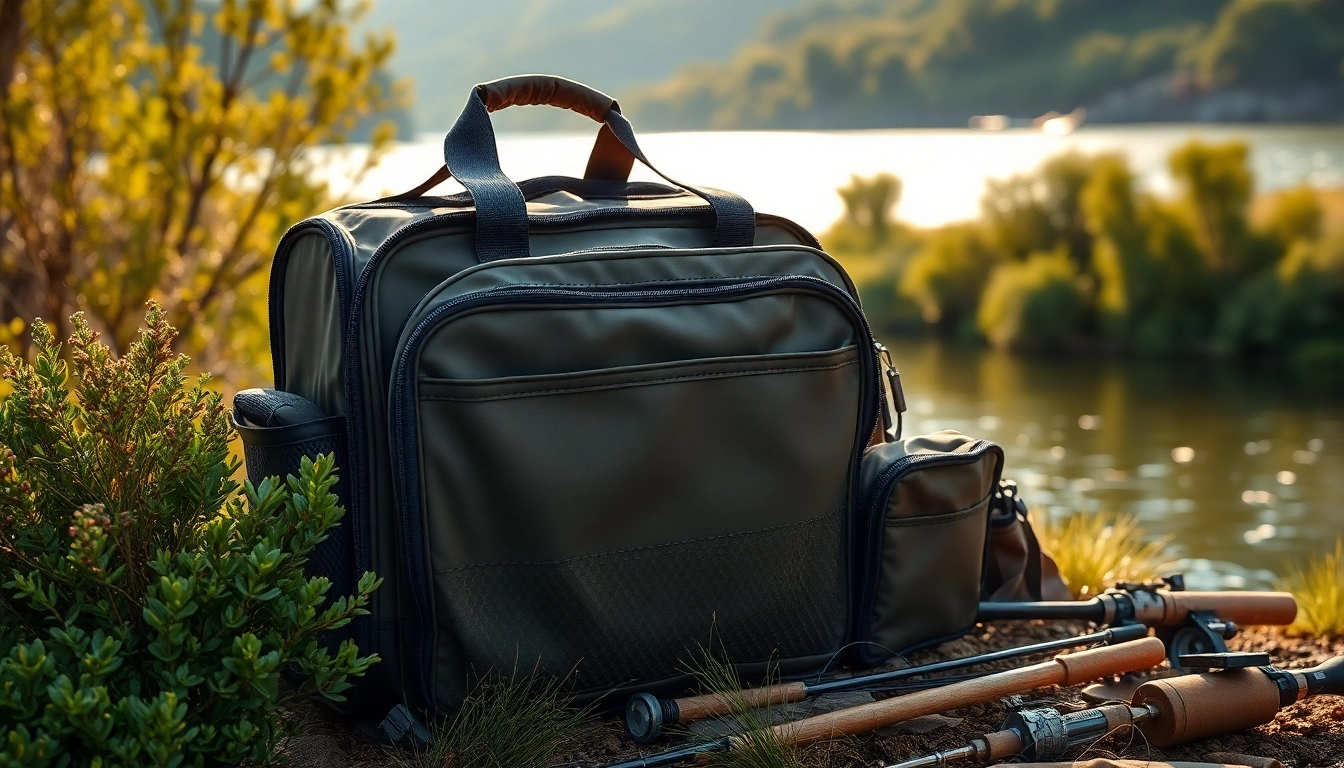
1. Understanding Fly Fishing Bags
1.1 What Makes a Fly Fishing Bag Unique?
Fly fishing is more than just a method of angling; it’s an art form that requires the right equipment to enhance your experience on the water. A crucial component of fly fishing gear is the fly fishing bag, a specialized accessory designed to hold your gear securely while being convenient and comfortable to carry. Fly fishing bags are distinct from other fishing bags due primarily to their tailor-made features that accommodate the unique needs of fly anglers. Unlike traditional tackle boxes or bags, fly fishing bags prioritize organization and quick access to specialized tools like leaders, flies, and reels.
1.2 Key Features to Look For
When choosing a fly fishing bag, it’s vital to consider several key features that enhance functionality:
- Compartments and Pockets: Ensure your bag has multiple compartments for organization, including slots for flies and sections for tools.
- Durability: Look for robust materials that can withstand outdoor conditions, from rain to rough terrain.
- Comfortable Straps: Opt for padded or ergonomic straps that facilitate a comfortable carry, especially for long hikes to your fishing spot.
- Water Resistance: A fly fishing bag should be water-resistant to protect your gear from unexpected splashes or downpours.
- Attachment Points: External loops or clips can hold additional gear like rods or nets, enhancing your bag’s utility.
1.3 Common Use Cases for Fly Fishing Bags
Fly fishing bags cater to various use cases: from day trips on serene lakes to multi-day excursions into remote wilderness. Anglers on a short outing might prefer a compact sling bag for quick access, while those embarking on extended journeys need larger backpacks designed for carrying more extensive gear inventories. Regardless of the trip length or terrain type, a fly fishing bag serves your needs by maintaining all essentials neatly organized and readily accessible.
2. Types of Fly Fishing Bags
2.1 Backpack vs. Sling Bags
When choosing between a backpack and a sling bag, it’s important to assess your specific needs and preferred fishing style. Backpacks offer substantial storage capacity, making them ideal for anglers who need to carry a significant amount of gear or fishing accessories. They provide two shoulder straps for even weight distribution, which is beneficial during long hikes.
Sling bags, in contrast, typically feature a single strap that goes across the body, allowing for quick access to your gear without needing to remove the bag completely. This style is especially popular among those who fish in fast-moving waters where time is critical, as it allows for immediate access to flies, lures, and tools. Ultimately, the choice comes down to personal preference, fishing conditions, and the gear you typically carry.
2.2 Waterproof Options for Extreme Conditions
For anglers who fish in extreme conditions, waterproof bags are non-negotiable. These bags are constructed with specialized materials and designs to prevent water ingress, ensuring that your gear stays dry even when wading through rivers or during unexpected storms. Look for bags with sealed seams, waterproof zippers, and durable waterproof fabrics. Some reputable brands even offer submersible options that can withstand full immersion.
2.3 Specialty Bags for Specific Fishing Techniques
Specialty bags cater to various fly fishing techniques, such as saltwater fishing, trout fishing, or stream fishing. Each technique has unique gear requirements; therefore, bags designed for specific conditions facilitate easy organization and access to the necessary tools and components. For instance, saltwater anglers may require larger bags with corrosive-resistant materials to handle saltwater environments and larger equipment like big flies and reels.
3. Practical Tips for Selecting the Best Fly Fishing Bag
3.1 Assessing Your Fishing Style
Your personal fishing style dictates the fly fishing bag best suited for your needs. Consider whether you prefer wading in rivers, casting from the shore, or navigating small boats. Your choice of bag should align with how you plan to access your gear. For wading anglers, a sling or hip bag that allows for quick access can be convenient, while boat fishermen may need larger storage solutions.
3.2 Balancing Functionality and Comfort
Finding the right balance between functionality and comfort is essential. A bag may have all the compartments in the world, but if it’s uncomfortable over time, it can detract significantly from your fishing experience. Look for adjustable straps, breathable materials, and ergonomic designs that cater to extended wear without inducing body strain. Make sure you try the bag on with added weight to simulate actual fishing conditions.
3.3 Price Range Considerations
The price of fly fishing bags varies widely based on features and brands. Basic models may start around $30, while high-end options with specialized features can exceed $300. It’s important to consider not just your budget but also the long-term value of your investment. A durable, well-designed bag might be pricier but will likely offer greater longevity and protect your gear effectively, proving to be a cost-effective choice over time.
4. Maintenance and Care of Your Fly Fishing Bag
4.1 Cleaning and Storage Best Practices
Proper cleaning and storage extend the life of your fly fishing bag significantly. After each fishing trip, remove any debris and rinse the bag if it has been exposed to saltwater or mud. Use a mild detergent and warm water to spot clean any stains. Avoid harsh chemicals that could damage the fabric.
For storage, ensure the bag is completely dry to prevent mold and odors. Store it in a cool, dry place out of direct sunlight, as prolonged exposure can degrade materials over time.
4.2 Repair Tips for Longevity
Damage can occur, particularly with frequent use. Learn how to implement simple repairs like patching holes or replacing broken zippers. Conduct regular inspections of your bag for wear and tear. Many outdoor brands offer repair kits specifically designed for their materials, allowing you to maintain the functionality of your bag without needing a complete replacement.
4.3 When to Upgrade Your Bag
Signs that it might be time to upgrade your bag include excessive wear, broken zippers, fading colors, or inadequate capacity for your gear. If your current bag hampers your performance or restricts access to your tools, investing in a new bag can vastly improve your fishing experience. Consider new technological advancements in materials and design when upgrading to take advantage of improved functionality and comfort.
5. Where to Buy the Best Fly Fishing Bags
5.1 Online Retailers vs. Local Shops
When shopping for a fly fishing bag, consider both online retailers and local shops. Online platforms like Fly fishing bags offer a wide selection with convenient comparisons and often customer reviews, providing valuable insights into different models. Local shops, however, allow you to physically inspect the bag, try it on, and sometimes receive expert advice from store staff.
5.2 Reviewing Customer Feedback and Ratings
Customer feedback and ratings offer insights into the real-world performance of a bag. When reading reviews, look for comments on durability, comfort, and practical features. User-generated content, such as photos and testimonials, can provide a more relatable understanding of how a bag performs in various environments and situations, helping you make an informed purchase.
5.3 Seasonal Sales and Discounts
Keep an eye out for seasonal sales and discounts at both online and local retailers. Many outdoor brands offer discounts during off-seasons or major holidays. Timing your purchase can lead to significant savings, allowing you to invest in a higher-quality bag without breaking the bank. Signing up for newsletters or following brands on social media can alert you to limited-time offers and promotions.
