

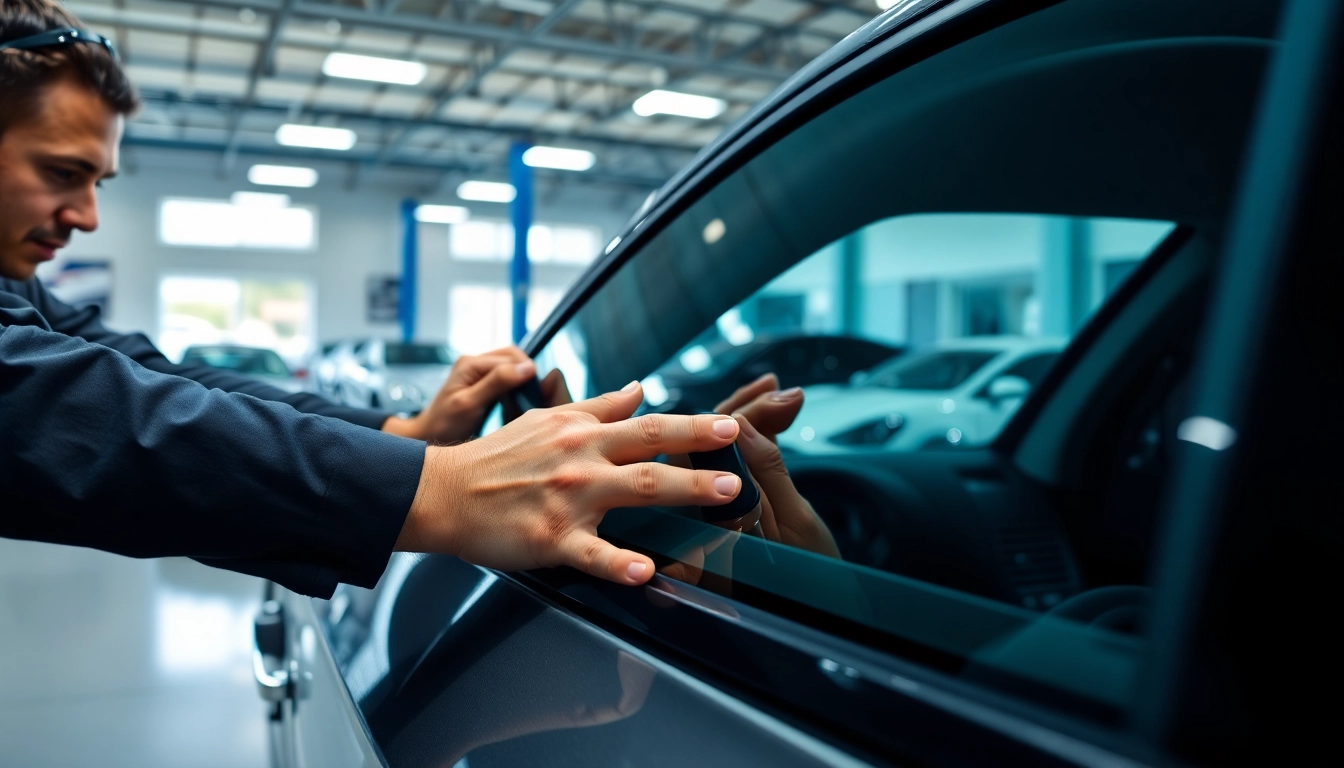
Understanding Auto Window Tint Near Me
When it comes to enhancing the comfort and aesthetics of your vehicle, searching for auto window tint near me can be a game-changer. Auto window tinting not only improves the look of your car but also provides various functional benefits such as UV protection and increased privacy. In this guide, we will explore what auto window tinting is, its numerous benefits, the legal regulations that pertain to it, and more.
What is Auto Window Tinting?
Auto window tinting refers to the application of a thin film on the interior side of a vehicle’s windows. This film is made from a variety of materials, including polyester, and is infused with dyes or metals that dictate its performance characteristics. Tinting can vary in darkness, color, and reflective properties, allowing vehicle owners to customize their windows to meet personal preferences and legal requirements. The process involves precise cutting and application to ensure a seamless fit that enhances not only the vehicle’s appearance but also its functionality.
Benefits of Window Tinting
Window tinting offers several advantages that make it worthwhile for car owners:
- UV Protection: Tinted windows can block up to 99% of harmful ultraviolet (UV) rays, reducing risks associated with skin cancer and skin aging.
- Heat Reduction: Tints can significantly reduce the amount of heat that enters the vehicle, ensuring a cooler interior and reducing reliance on air conditioning.
- Glare Reduction: By blocking excessive sunlight, tinted windows help minimize glare, offering a more comfortable driving experience.
- Increased Privacy: Tinted windows obscure visibility into the vehicle, providing an added layer of privacy for occupants and valuable items.
- Enhanced Security: Tints can make it more difficult for would-be thieves to see valuable items, deterring theft.
- Aesthetic Appeal: A good tint job enhances the overall look of the vehicle, giving it a sleek and polished appearance.
Legal Regulations in Your Area
Before getting your windows tinted, it is crucial to familiarize yourself with local laws regarding window tinting. Regulations can vary significantly from one area to another, and they often dictate how dark certain windows can be tinted. For instance, many states have specific rules about the front windshield, rear windows, and side windows. These laws are in place to ensure driver visibility and safety.
Researching your region’s regulations will help you avoid fines and ensure compliance with the law. Consider consulting with a local tinting professional, as they are usually well-versed in the requirements and can recommend suitable options that meet legal standards.
Choosing the Right Tint for Your Vehicle
With various tint options available, choosing the right one for your vehicle can feel overwhelming. Understanding the options will help you make an informed decision that enhances your driving experience.
Types of Window Tints Available
Identifying the right type of window tint is essential to securing the desired benefits. Here are the most common types:
- Dye-based Tints: These are economical options that absorb heat and light. They are often less expensive, but their lifespan may be shorter, leading to fading over time.
- Metalized Tints: This type includes metallic particles that reflect infrared radiation, thus keeping the interior cooler. They are usually more durable and offer enhanced UV protection but can interfere with electronic signals.
- Carbon Tints: These provide superior UV protection and hold their color longer without fading. They do not interfere with cellular signals and maintain a matte finish.
- Ceramic Tints: The latest technology, ceramic tints do not interfere with signals and provide high heat resistance. They are durable, non-fading, and allow greater visibility.
- Reflective Tints: These offer high levels of glare and solar heat reduction. Most reflective films have a shiny appearance, which can enhance aesthetics but may not meet all legal regulations.
How to Select the Right Shade
Choosing the right shade of window tint is not just about aesthetics; it’s also about ensuring legal compliance and practicality. Here are some aspects to consider:
- Local Regulations: Make sure the chosen shade complies with state laws regarding tint percentages.
- Functionality: Consider the level of UV protection and glare reduction you need based on your location and driving habits.
- Personal Preference: Ultimately, your taste in style plays a significant role. Choose a shade that complements your car while considering the advantages it offers.
Factors to Consider Before Tinting
Before you commit to window tinting, consider various factors:
- Cost: Balance your budget with the quality of the tint. Higher-quality films may come with a higher price tag but typically offer longer-lasting benefits.
- Vehicle Type: Different vehicles have varying glass sizes and setups, which can impact the tinting installation process.
- Climate: If you live in an area with intense sunlight, a high-quality tint that effectively blocks UV rays and heat is essential.
Finding Reliable Auto Window Tint Services Near You
Once you’ve decided to tint your windows, the next step is finding a qualified installation professional. A reliable service can make all the difference in ensuring a quality job.
Researching Local Tinting Professionals
Start by conducting thorough research online for tinting services near you. Look for businesses that specialize in auto window tinting specifically. Reviews and ratings on platforms like Google and Yelp can provide insight into their reputations.
Additionally, check their websites for information on the types of tints they offer, pricing, and any warranties available. Quality services often transparently share their past work and customer testimonials.
Reading Customer Reviews
Customer reviews are invaluable when determining the quality of a tinting service. Look for feedback on:
- The quality of installation
- The professionalism of the staff
- Timeliness and efficiency
- Customer service experiences
Remember to weigh both positive and negative reviews to ensure a balanced perspective. A business with consistently high ratings across multiple review platforms is likely to provide reliable service.
Asking for Recommendations
Personal recommendations from friends, family, or coworkers can also be a great way to find trustworthy professionals. Consider their experiences and whether their particular needs align with yours. Social media platforms, especially neighborhood groups, can also serve as forums for recommendations.
Installation Process Explained
Understanding the installation process can help you know what to expect and prepare accordingly. Proper installation is vital for achieving desired results.
What to Expect from the Installation
The installation process usually involves the following steps:
- Consultation: Discuss your needs, preferences, and the types of tints available with the technician.
- Preparation: The technician will clean the windows thoroughly to ensure proper adhesion of the film.
- Film Application: Following precise measurements, the film will be cut to size and applied to the windows with care.
- Post-Installation Inspection: The technician will inspect the installation for blemishes or application issues before completing the job.
Pre-Installation Preparation
To ensure a smooth installation process, take a few steps before your appointment:
- Clean the car interior and remove any items from the windows, including mounts.
- Schedule for a day with dry weather to prevent issues during installation.
- Confirm your appointment time and double-check the selected tint type.
Post-Installation Care Tips
After installation, there are essential care steps to follow as the film cures:
- Avoid Cleaning: For at least a week, avoid cleaning or rolling down the windows to allow the adhesive to bond securely.
- Use Microfiber Cloths: When you do clean, use soft, microfiber cloths to prevent scratching the film surface.
- Opt for Gentle Cleaners: Use a gentle cleaning solution to maintain the integrity of the tint.
Maintaining Your Auto Window Tint
Proper maintenance of your window tint ensures its longevity and effectiveness. Here are some tips on maintaining your auto window tint.
Cleaning Tips for Tinted Windows
Cleaning tinted windows requires special care:
- Use a soft cloth or squeegee for cleaning.
- Opt for ammonia-free cleaners to prevent damage to the tint.
- Wipe gently to avoid scratching the film.
Signs of Wear and When to Replace
Be mindful of signs that may indicate your window tint needs replacement:
- Visible scratches or bubbles in the film
- Fading or discoloration
- Peeling or lifting edges
If you notice any of these issues, it may be time to replace your tint to ensure you maintain the benefits of effective window protection.
Long-Term Benefits of Proper Maintenance
Maintaining your window tint can prolong its life and effectiveness. Consistent cleaning and care provide:
- Enhanced appearance of your vehicle
- Longer-lasting UV protection
- Improved privacy and security
Ultimately, a well-maintained tint will continue to offer numerous benefits, making it an investment worth protecting.
Frequently Asked Questions
1. How long does window tint last?
Quality window tints can last 5 to 10 years, depending on factors like film type, installation quality, and maintenance.
2. Can I remove window tint myself?
While possible, removing tint can be tricky and may damage the glass if not done properly. It’s often best to consult a professional.
3. Is window tinting safe?
Yes, window tinting is safe when performed by professionals, as it enhances UV protection and reduces glare while maintaining driver visibility.
4. Will tinted windows fade over time?
Some tints can fade, especially lower-quality films. High-quality tints are designed to resist fading and discoloration for longer periods.
5. Can I roll down my windows after tinting?
It’s recommended to wait at least a week before rolling down tinted windows to allow the adhesive to cure properly.
