
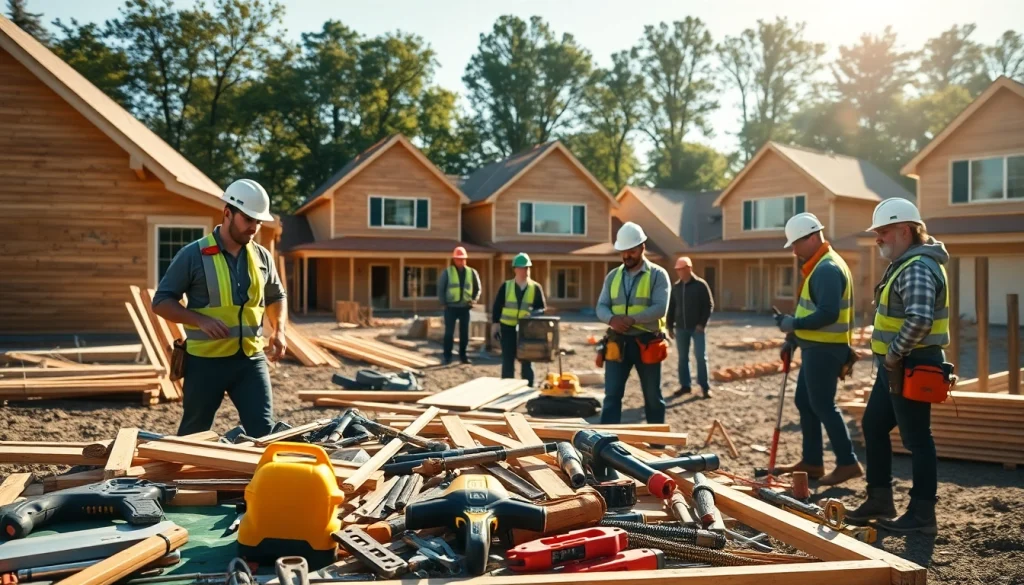
Understanding the Role of a New Jersey General Contractor
Definition and Responsibilities
A New Jersey General Contractor serves as the pivotal figure in construction projects, overseeing everything from initial planning to project completion. These professionals handle the logistics, manage subcontractors, obtain necessary permits, and ensure the work meets both client specifications and local regulations. A general contractor essentially bridges the gap between the homeowner or project owner and the various trades involved in the construction process, making their role vital to the successful execution of any building endeavor.
Importance of Hiring Qualified Professionals
In a state like New Jersey, where diverse architectural styles and stringent building codes exist, hiring a qualified general contractor can mean the difference between a successful project and a costly failure. Qualified contractors bring in-depth knowledge of local regulations, access to skilled labor, and experience in navigating the challenges inherent to construction. This is particularly important for homeowners who might lack the expertise to make informed decisions throughout the project lifecycle.
Common Project Types Managed
General contractors in New Jersey often oversee a wide array of projects ranging from residential renovations and commercial builds to public infrastructure and specialized constructions like historical restorations. Each project type comes with its own unique set of challenges and requirements, further emphasizing the importance of hiring a contractor who is well-versed in the specific area of construction that aligns with your project needs.
Key Factors to Consider When Selecting a New Jersey General Contractor
Experience and Qualifications
When choosing a general contractor, one of the first things to consider is their experience and qualifications. Prospective clients should look for contractors who have a solid portfolio of completed projects that are similar in scope and complexity to what they envision. Additionally, checking for relevant certifications and memberships in professional organizations can provide added assurance about their competency. It also shows a commitment to the profession and continued education.
Reviews and Recommendations
Word-of-mouth can be a powerful tool when selecting a general contractor. Potential clients are encouraged to seek out online reviews and request references from past clients. A contractor with consistently positive feedback is more likely to deliver a satisfactory project experience. Social media platforms and construction directories often provide a wealth of information related to contractor reputation.
Portfolio of Previous Work
Reviewing a general contractor’s portfolio allows clients to gauge the quality and style of their work. It’s helpful to ask for case studies or examples of similar projects they have completed. Observing a variety of completed projects can also provide insight into the contractor’s versatility and ability to adapt to different situations and client visions.
Cost Considerations and Budgeting
Understanding Estimates and Contracts
Cost transparency is essential when dealing with a general contractor. Before any work begins, a detailed written estimate should be provided, outlining all anticipated costs. Understanding how estimates are broken down can help clients identify essential versus optional services. Having a clear contract helps protect both parties—there should be clear terms regarding payment, project timelines, and responsibilities.
Price vs. Value
While it’s tempting to choose a contractor based on price alone, it’s crucial to evaluate the value being offered. The cheapest option may cut corners that ultimately lead to problems or rework. Instead, clients should strive to find a balance between reasonable pricing and quality craftsmanship. This often means asking the right questions about what is included in the bid and ensuring that quality materials are part of the equation.
Budgeting for Unforeseen Costs
Construction projects often encounter unforeseen costs, which can derail a budget if not planned for adequately. General contractors usually recommend setting aside a contingency fund—typically around 10-15% of the total budget—to cover unexpected issues such as delays, design changes, or discovering structural problems once work begins. Effective budgeting enforces financial discipline and ensures the project remains on track.
Legal and Regulatory Aspects
Licensing Requirements in New Jersey
New Jersey requires general contractors to hold specific licenses and permits depending on the type of work being performed. Prospective clients should ensure that their contractor is up-to-date on all necessary licenses and has a clean record with regulatory agencies. These licensing requirements help safeguard consumers by promoting professional standards and accountability.
Insurance and Liability Considerations
Insurance is another critical topic to address before hiring a general contractor. Adequate liability insurance protects homeowners from potential claims associated with accidents or damage that may occur during construction. Additionally, insurance coverage also ensures that the contractor is protected and can handle any unforeseen events, providing peace of mind to both the contractor and the client.
Compliance with Local Building Codes
All construction projects must comply with local building codes, which dictate how buildings are structured and maintained. A competent general contractor will have an in-depth understanding of these codes and ensure that all construction efforts meet or exceed the required standards. Compliance not only avoids delays and penalties but also ensures the safety and longevity of the structure.
Building a Strong Relationship with Your New Jersey General Contractor
Effective Communication Strategies
Successful construction projects depend heavily on effective communication. Establishing clear channels for dialogue between the homeowner and contractor can prevent miscommunications, which can lead to costly errors. Both parties should agree on regular update meetings to review project progress and catch any potential issues early.
Setting Expectations from the Start
Setting realistic expectations is essential for a successful contractor-client relationship. Early discussions should cover project timelines, material selection, and payment processes to ensure that everyone is on the same page. Having these conversations upfront helps mitigate misunderstandings and builds a cooperative atmosphere for the project.
Handling Issues or Delays
Delays or issues are often unavoidable in construction; how they’re managed can reflect the professionalism of the contractor. Open lines of communication mean that any challenges can be addressed promptly and efficiently. A good contractor will not shy away from discussing setbacks and will work collaboratively with the client to devise solutions, ensuring that the project proceeds as smoothly as possible.
In conclusion, engaging a New Jersey General Contractor involves understanding their role, selecting the right representative for your project, navigating costs, adhering to legal standards, and fostering a collaborative relationship throughout the project lifecycle. By following the guidelines outlined in this article, both homeowners and contractors can work collaboratively towards a successful and rewarding construction experience.