

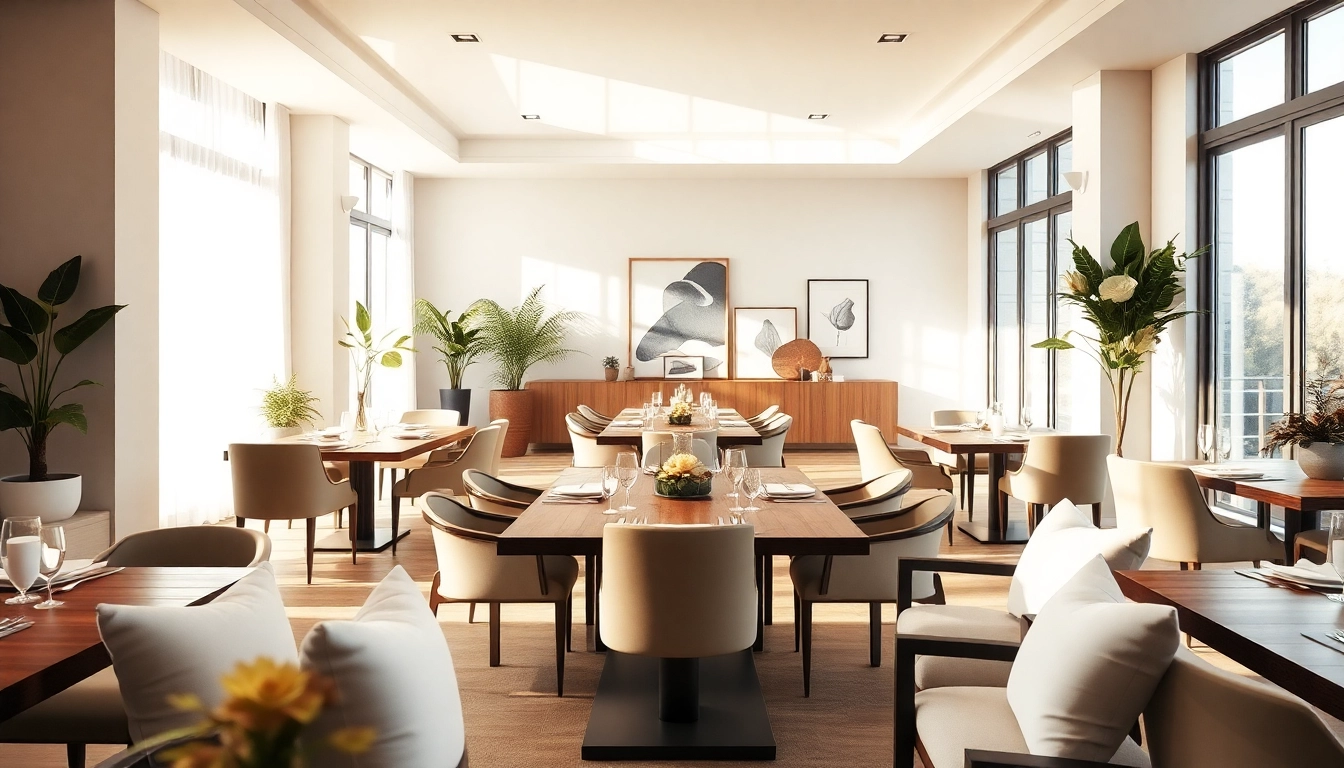
Introduction to Seamless Living
In today’s fast-paced world, the idea of creating a harmonious and tranquil environment at home has never been more important. Seamless Living embodies this concept, focusing on the integration of comfort, functionality, and aesthetic appeal in our personal spaces. This comprehensive guide will dive into what defines Seamless Living, its significance, and how you can transform your home to encourage a sense of peace and balance.
Defining Seamless Living
Seamless Living is the practice of merging design, function, and emotional well-being to curate a space that fosters relaxation and productivity. It emphasizes a cohesive design where every element complements one another, creating an environment that feels effortless and serene. Rather than simply decorating, Seamless Living involves a thoughtful approach that prioritizes harmony in every aspect of a home.
Importance of a Harmonious Home
A harmonious home is essential for mental and emotional well-being. Research shows that our physical surroundings can significantly influence our mood and stress levels. By cultivating a space that reflects tranquility, we can enhance our overall quality of life. A harmonious environment can lead to reduced anxiety, increased focus, and an overall sense of satisfaction in one’s living situation.
Core Principles of Seamless Living
The core principles of Seamless Living revolve around three pillars: simplicity, functionality, and style. Simplicity encourages the elimination of clutter and distractions, allowing for a clearer mental state. Functionality prioritizes spaces that serve multiple purposes, adapting to the changing needs of its inhabitants. Finally, style ensures that personal touches are incorporated, reflecting individual taste while maintaining a cohesive aesthetic.
Designing Your Space for Seamless Living
Creating an environment that embodies the principles of Seamless Living begins with thoughtful design choices. This section explores how to select the right colors, furniture, and layouts that promote flow and tranquility in your space.
Choosing the Right Colors and Textures
Color plays a crucial role in setting the tone of any room. Soft, muted colors such as pastel shades, earth tones, and neutral palettes can make a space feel calm and inviting. Textures add depth to a room, so consider incorporating a variety of fabrics—such as soft cottons, warm wools, and natural linens—to create a tactile experience that enhances comfort.
Furniture Selection for Comfort
When selecting furniture, prioritize comfort and functionality. Choose pieces that not only fit well within your aesthetic but also serve your everyday needs. Opt for ergonomic designs that accommodate various activities while providing optimal support. For instance, a sectional sofa can foster conversation, while a sturdy dining table can facilitate family gatherings and shared meals—encouraging connection and comfort.
Layout Optimization for Flow
The layout of your space influences how you navigate and interact with it. Aim for an open, airy feel that promotes easy movement from room to room. Create clear pathways by organizing furniture in a way that encourages social engagement and mobility. Use rugs to demarcate areas for various activities, ensuring a sense of cohesion while facilitating an effortless flow from one zone to another.
Implementing Seamless Living Practices
Bringing the principles of Seamless Living into your everyday routine requires intentional practice. In this section, we’ll explore effective strategies for creating a more harmonious lifestyle.
Decluttering for Peace of Mind
Decluttering is a fundamental practice in achieving Seamless Living. Over time, clutter can accumulate and create a sense of chaos. Commit to regular decluttering sessions to assess and remove items that no longer serve you. Consider the “one-in-one-out” rule, where for every new item introduced into your home, another is removed, helping to maintain balance and order.
Incorporating Nature into Your Home
Nature has a calming effect on our mental state. Incorporating natural elements into your living space—such as houseplants, natural light, or organic materials—can drastically enhance your environment. Houseplants improve air quality and add vibrancy, while large windows allow natural light to brighten your home, creating an uplifting atmosphere that connects you with the outdoors.
Creating Multifunctional Spaces
With the increasing trend of remote work and multifunctional lifestyles, designing spaces that serve multiple purposes becomes paramount. A home office that can double as a guest room or a dining space that transitions into a creative studio can maximize functionality. Use modular furniture that can be easily rearranged or adapted to support various activities, allowing your home to accommodate both relaxation and productivity seamlessly.
Maintaining a Seamless Living Environment
Once you have established a seamless living environment, regular maintenance is essential to sustain harmony and tranquility. In this section, we’ll discuss practical tips for keeping your space serene and organized.
Routine Cleaning Tips
Maintaining cleanliness in your home can help preserve the feeling of harmony. Develop a routine that includes daily, weekly, and monthly tasks to keep clutter at bay. Daily cleaning tasks might include tidying up or wiping down surfaces, while weekly sessions can focus on deeper cleaning. Tools like a chore chart can keep everyone in the household accountable and engaged in maintaining the space.
Seasonal Decor Adjustments
One way to keep your environment feeling fresh and inviting is by adapting your decor with each season. Swapping out textiles, such as cushions or throws, and incorporating seasonal plants can transform a space without requiring a complete overhaul. This practice not only keeps your surroundings dynamic but also allows you to experience the beauty of each season within your home.
Mindfulness and Stress Reduction Techniques
Embedding mindfulness and stress reduction techniques into your daily life can greatly enhance your living experience. Consider practices such as meditation, yoga, or simply spending time in nature, which can help ground you in your space. These moments of mindfulness foster a deeper connection with your environment and promote emotional well-being, contributing to your Seamless Living experience.
FAQs About Seamless Living
What is the concept of Seamless Living?
Seamless Living is about creating a harmonious environment that promotes comfort and well-being in your home.
How can I achieve Seamless Living?
Focus on decluttering, choosing calming colors, and ensuring functional spaces that suit your lifestyle.
Does Seamless Living only apply to home design?
No, it can also encompass lifestyle habits that support harmony and balance in everyday life.
What are some tips for maintaining a seamless environment?
Implement regular cleaning routines, adapt decor with seasons, and practice mindfulness to sustain balance.
Can I create Seamless Living on a budget?
Absolutely! Prioritize simple decluttering, DIY decor, and careful selections to maintain a harmonious space economically.
