Understanding Interior Design Dubai
Interior design is a powerful aspect of our lives, transforming spaces into beautiful and functional environments. In a vibrant city like Dubai, known for its cosmopolitan lifestyle and luxury living, the significance of quality interior design cannot be overstated. From residential interiors that blend comfort with elegance to commercial spaces that inspire and attract customers, the design choices significantly influence our experiences. A professional touch can elevate any space, making it not only visually appealing but also functional. Understanding interior design in Dubai involves exploring its unique characteristics, trends, and the pivotal role it plays in enhancing the city’s architectural landscape. For expert insights and services in this domain, consider exploring interior design dubai.
What is Interior Design Dubai?
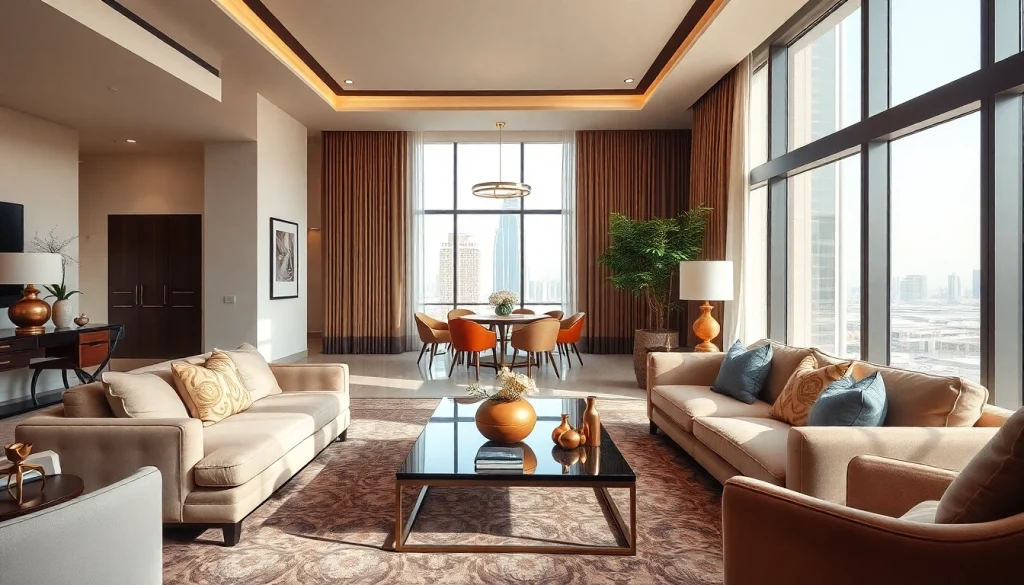
Interior design in Dubai encompasses a blend of aesthetics, functionality, and cultural influences that echo the city’s diversity. It involves creating interior environments that are not only appealing but also enhance the functionality of a space. Professionals working in this field take into account various elements including color schemes, space layout, furniture selection, and accessories. In Dubai, where luxury and innovation reign, modern interior design often incorporates high-end materials, cutting-edge technology, and artistic elements that reflect the vibrancy of the local culture.
The Importance of Good Design
Good interior design serves multiple purposes. It enhances the aesthetic appeal of a space, reflects the personality of its inhabitants, and improves functionality. Well-designed interiors can improve property value and influence a visitor’s or resident’s mood and productivity. Moreover, in a city like Dubai, where competition in the real estate market is fierce, quality interior design can differentiate a property from others, making it more attractive to potential buyers or renters.
Trends in Interior Design Dubai
The interior design scene in Dubai is always evolving, influenced by international trends and cultural shifts. Current trends include:
- Minimalism: Clean lines and uncluttered spaces that emphasize simplicity.
- Fusion of Styles: Blending traditional Middle Eastern elements with contemporary design features.
- Sustainable Design: Incorporating eco-friendly materials and practices in creating energy-efficient spaces.
- Smart Technology Integration: Utilizing smart home technology for controlling lighting, climate, and security.
- Luxury Textures: Use of high-quality materials like marble, silk, and wood finishes.
Key Elements of Interior Design Dubai
Color and Texture Selection
Color plays a crucial role in interior design, influencing mood and perception. In Dubai, the selection of color palettes often incorporates natural hues that reflect the local landscape, paired with vibrant accents representing the city’s multicultural fabric. Texture selection further enriches a space, adding depth and interest through materials like glass, metal, wood, and textiles. Understanding how to balance colors and textures can create harmonious, inviting interiors that are both functional and breathtaking.
Furniture Arrangement Techniques
Effective furniture arrangement is essential to achieve both functionality and aesthetic appeal. Key principles include:
- Focal Point Creation: Identify a focal point in a room and position furniture to enhance it.
- Flow Management: Ensure smooth transitions and easy movement through strategic placement.
- Proportional Harmony: Choose furniture scale and style that correspond with the room’s size and design theme.
Proper arrangement maximizes the beauty of a space and improves its usability, essential for both residential and commercial environments.
Creating Functional Spaces
A well-designed space must be functional. This involves creating layouts that accommodate the specific needs of users. In Dubai, where many homes and offices are compact, utilizing multifunctional furniture can help optimize the use of space. Additionally, developers often employ custom-built solutions to tailor interiors to the precise needs of clients. Understanding the balance between aesthetics and practicality is key to successful interior design.
Hiring a Professional in Interior Design Dubai
When to Hire an Interior Designer
Hiring an interior designer can be invaluable for projects ranging from complete renovations to simple redecorations. Consider engaging a professional when:
- You seek a cohesive design vision that ties the elements of your space together.
- You lack the time or expertise to manage complex design projects.
- Your project has specific requirements or constraints that demand professional knowledge.
By recognizing situations that call for professional help, homeowners and businesses can capitalize on their designer’s expertise and resources.
How to Choose the Right Designer
Selecting the right interior designer requires careful consideration. Start by reviewing portfolios to assess their style and expertise. Look for designers who have experience relevant to your project type. Additionally, consider their communication skills, responsiveness, and how well they understand your vision. A good designer should not only reflect your taste but also offer creative input that elevates the design process.
Questions to Ask Before Hiring
Before hiring an interior designer, it’s crucial to ask the following questions:
- What is your design philosophy?
- Can you provide references from past clients?
- What is your fee structure?
- How do you handle project timelines and budgets?
- Are you willing to collaborate with other professionals such as contractors?
DIY vs. Professional Interior Design Dubai
Benefits of DIY Interior Design
Engaging in DIY interior design can be fulfilling and cost-effective. It allows for personal expression and complete control over the design direction. DIY projects also enable homeowners to work at their own pace and explore creative solutions that resonate with their style. However, it’s vital to recognize one’s limitations and seek help when designs become overly complicated or unmanageable.
Challenges of DIY Projects
While DIY can be attractive, it presents challenges such as:
- Lack of experience that may result in design errors.
- Time investment that may exceed original expectations.
- Difficulty in sourcing materials that meet professional standards.
These challenges can deter the efficacy of the project and lead to frustration.
Professional Touch: When Is It Essential?
For certain projects, a professional touch is essential to achieve desired outcomes. Complex renovations, commercial spaces, or luxury residences often require the expertise of seasoned designers to navigate codes, budgets, and styles. Additionally, professional designers offer insightful recommendations and advanced techniques that enhance the project quality.
Budgeting for Interior Design Dubai
Understanding Costs and Quotes
Budgeting is a crucial part of the interior design process. Understanding the general cost structure can aid homeowners in planning effectively. Costs typically vary based on project scope, materials, and the complexity of design. It’s vital to request detailed quotes that break down labor, materials, and miscellaneous expenses to gain clarity on the overall financial commitment required.
How to Create a Realistic Budget
Creating a realistic budget involves several steps:
- Assess your financial capacity and define project priorities.
- Research average costs within your target area to gauge reasonable expenses.
- Include a contingency fund to cover unexpected expenses.
A well-thought-out budget provides a roadmap, helping to avoid financial strain during the design process.
Cost-Saving Tips for Luxury Design
Achieving a luxurious look doesn’t have to come with a prohibitive price tag. Consider these cost-saving strategies:
- Opt for high-quality materials in key areas while using budget-friendly options where less visible.
- Repurpose existing furniture or decor items for a sophisticated look.
- Work with a designer who understands how to create impact on a limited budget.
These approaches enable homeowners to achieve both luxury and functionality without overspending.
FAQs About Interior Design Dubai
What is the average cost of hiring an interior designer in Dubai?
The cost for hiring an interior designer in Dubai varies widely, typically ranging from AED 50 to AED 300 per square foot depending on the project’s complexity and designer’s expertise.
How long does a typical interior design project take?
The timeline for an interior design project can vary significantly based on size and scope. On average, it takes between a few weeks to several months to complete.
Are there specific design styles popular in Dubai?
Yes, popular design styles in Dubai include modern minimalism, Arabian-inspired designs, and contemporary luxury, often reflecting the city’s eclectic culture and sophistication.
Can I work with an interior designer remotely?
Absolutely! Many interior designers offer virtual consultations and remote services, allowing clients to engage with professionals regardless of their location.
What should I prioritize when designing my space?
Focus on functionality, aesthetics, and your personal style. Prioritizing lighting, color schemes, and layout can significantly enhance your space’s overall appeal and usability.