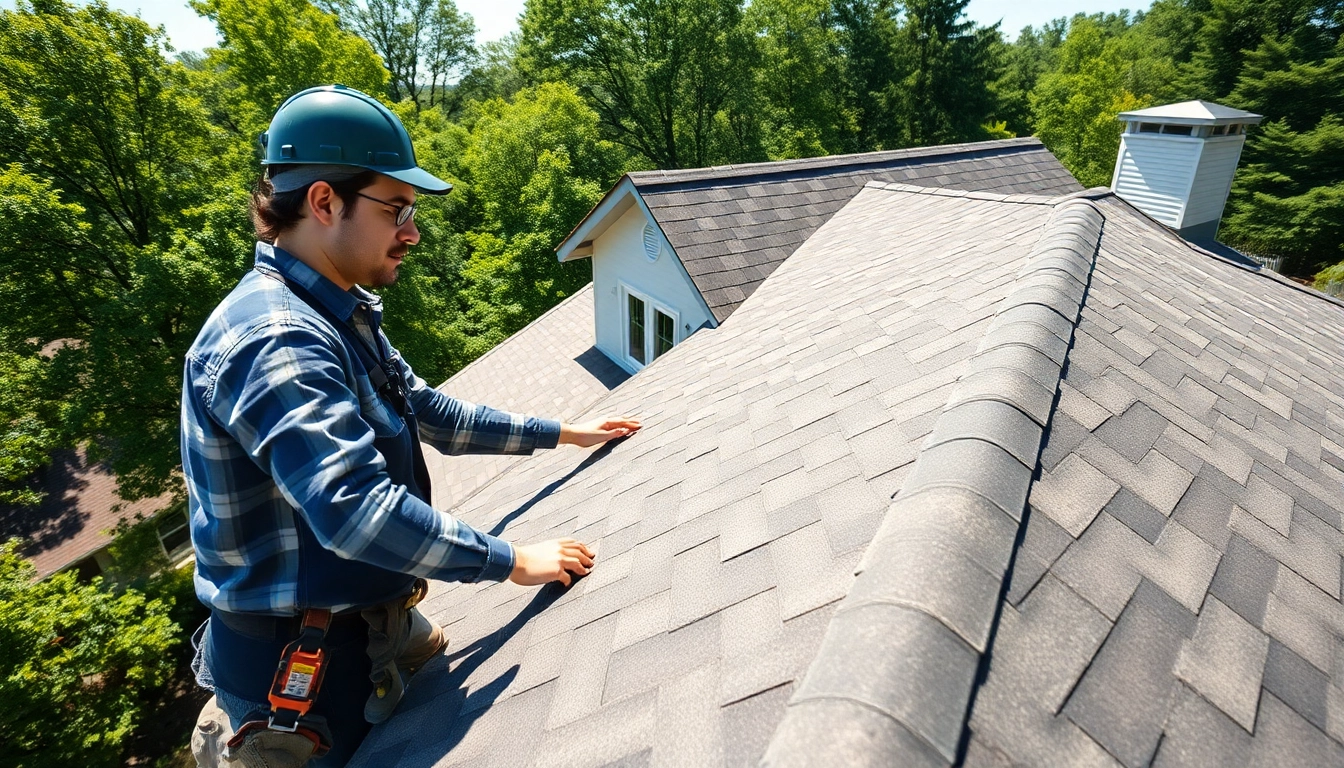
The Importance of Hiring Reliable Roofing Services
Your roof is not just a covering for your home; it's a critical element that protects everything beneath it. For both residential and commercial properties, the selection of roofing services plays a pivotal role in sustaining structural integrity and aesthetic appeal. Engaging reliable roofing services ensures that you are safeguarding your investment. This article will explore the various elements that make hiring professionals essential, encompassing the identification of roofing needs, material selection, and an understanding of roof lifespan.
Understanding Roofing Needs
Before seeking roofing services, it is crucial to assess your specific roofing needs. This evaluation can be broken down into several key factors including the type of property, the local climate, potential hazards, and personal aesthetic preferences. Different types of roofs—be it flat, sloped, or gabled—require different approaches and materials.
- Property Type: Residential roofs may utilize asphalt shingles for cost-effectiveness, while commercial buildings might benefit from more durable materials like metal or membrane roofs.
- Climate Considerations: Regions prone to extreme weather conditions require roofs that can withstand significant wear and tear.
- Personal Preferences: The choice of roofing also reflects personal style. Some may prefer rustic shingles, while others may opt for modern steel roofs.
Evaluating Roofing Materials
Choosing the right roofing material is one of the most strategic decisions a property owner can make. Materials come with varying lifespans, costs, and maintenance needs. Here are some common roofing materials to consider:
- Asphalt Shingles: Affordable and widely used for residential projects, they last approximately 15-30 years.
- Metal Roofing: Known for durability, metal roofs can endure for 50 years or longer.
- Tile and Slate: Exceptional long-term investment; they can last over a century but come with higher upfront costs.
- Modified Bitumen: This flat roofing option is ideal for commercial buildings with low slopes, typically lasting 10-20 years.
Discussing these options with a qualified roofing contractor can help surface the most suitable material for your home or business needs.
Assessing Roof Lifespan
The lifespan of a roof is an important consideration that can greatly affect both short-term and long-term expenses. Understanding when to repair versus when to replace can save property owners significant costs. Factors to consider include:
- Materials Used: As previously mentioned, different materials have varying lifespans. Knowing this will guide your maintenance routine.
- Installation Quality: A poorly installed roof can experience a drastically shortened lifespan; always ensure to hire qualified services.
- Local Weather Conditions: Frequent storms, heavy snowfall, or intense sunlight can wear down certain materials faster.
By regularly assessing the roof’s condition, property owners can decide when to repair minor issues or invest in a complete replacement, ultimately extending the roof's efficiency.
Common Roofing Issues and Solutions
Even the most robust roofing systems are susceptible to problems. Being aware of common roofing issues can help you mitigate risks and maintain the structural integrity of your property.
Leaks and Water Damage
Roof leaks are one of the most frequently encountered issues. Early detection can save property owners from expensive repairs down the line. Signs of leaks may include:
- Water stains on ceilings or walls
- Mold growth in the attic or under the roof
- Accumulated debris on the roof surface
Solutions to leaks often involve repairing broken shingles, sealing seams, or addressing issues with flashing. Regular inspections and maintenance are critical to ensure that potential problems are caught early.
Roof Aging and Wear
As roofs age, they naturally begin to wear. Common indicators of aging include loose shingles, curling edges, and faded colors. To combat aging roofs:
- Consider a roof coating to extend the surface life.
- Schedule periodic maintenance to check for early signs of wear.
- Develop a replacement plan when the roof nears the end of its expected lifespan.
Understanding the typical lifespan of your roofing material can guide these maintenance schedules effectively.
Storm Damage Repair
Storms can inflict serious damage on roofs, from uprooted trees to hail and wind damage. After a storm, it is vital to:
- Inspect your roof for any visible damage.
- Document the damage with photographs for insurance claims.
- Contact roofing professionals for a more thorough inspection.
Reliable roofing services can provide emergency repairs to mitigate further damage immediately following a storm.
What to Expect from Reliable Roofing Services
When hiring reliable roofing services, it is important to know what to expect in terms of service delivery, quality, and professionalism.
Comprehensive Roof Assessments
An essential aspect of roofing services is the comprehensive assessment provided by professionals. These assessments generally include:
- Evaluation of the existing roofing structure
- Identification of issues that may compromise the roof’s integrity
- Recommendations for repairs or replacements based on material evaluation and building codes
With a thorough assessment, property owners can make informed decisions regarding their roofing needs.
Transparent Pricing Models
Reliable roofing services should offer transparent pricing. This transparency includes:
- A detailed estimate that breaks down costs associated with materials and labor
- Clear disclosures about any potential additional costs that may arise
- Information on financing options if available
By understanding the pricing structure, you can make better decisions that are aligned with your budget.
Warranties and Guarantees
One significant benefit of hiring qualified roofing contractors is the warranties and guarantees associated with their work. A reputable service provider typically offers:
- Workmanship warranties that cover labor errors
- Manufacturer warranties on roofing materials
- Periodic maintenance checks to ensure longevity of the roof
Warranties can provide peace of mind, affirming that quality workmanship is a priority for the service provider.
How to Choose the Right Roofing Contractor
Choosing a qualified roofing contractor is essential to achieving a satisfactory outcome. Here are key steps to guide your selection:
Checking Credentials and Licenses
Always verify that the contractor holds the necessary licenses and insurance to operate in your state or region. This includes:
- Licensing that complies with local regulations
- Liability insurance and worker's compensation
- Membership or accreditation from local or national roofing organizations
These credentials indicate professionalism and adherence to industry standards.
Reading Customer Reviews
Customer reviews provide insight into the contractor’s reliability, professionalism, and craftsmanship. Look for signs of:
- Timeliness in project completion and communication
- Quality of workmanship and materials
- Post-service support and warranty handling
Platforms such as Yelp or Google Reviews can be useful resources in gathering feedback from previous clients.
Understanding Project Timelines
Discuss the project timeline with potential contractors to set realistic expectations. A clear timeline should include:
- Timeframes for the initial assessment
- Duration for project completion
- Communication intervals during the project phase
Understanding the duration of each phase can help to minimize disruptions to your daily life during the roofing process.
Preventive Maintenance for Your Roof
Preventive maintenance can significantly extend the lifespan of your roof and protect your investment. Proper upkeep can also prevent more costly repairs down the line.
Regular Inspections
Regular professional roof inspections can help identify problems early. Aim to schedule inspections at least twice a year and after severe weather events. Key aspects to inspect include:
- Shingle condition and alignment
- Flashing integrity around vents, chimneys, and skylights
- Gutter performance and debris accumulation
Timely inspections allow for proactive solutions before small issues escalate into major repairs.
Seasonal Maintenance Tips
Seasonal maintenance can help you prepare your roof for changing weather conditions:
- Spring: Clear debris, check for shingle damage, and assess gutters.
- Summer: Monitor for leaks during heavy rains, and inspect attic ventilation.
- Autumn: Remove leaves and debris from the roof and gutters, and check for signs of wear.
- Winter: Inspect for ice dam formations and ensure adequate insulation in the attic.
Regular seasonal maintenance can prevent extensive damage and prolong the roof’s lifespan.
When to Schedule Repairs
Knowing when to schedule repairs is essential to sustaining your roofing system. Common signs that indicate the need for repair include:
- Visible damage to shingles or decking
- Water infiltration signs inside your building
- Excessive granule loss and buildup in gutters
If you notice any of these signs, it's important to contact a professional immediately to assess and address the issue.
This comprehensive exploration of various aspects of reliable roofing services aims to empower property owners in making informed decisions regarding their roofing needs. The emphasis on understanding materials, hiring qualified professionals, and maintaining a proactive approach can lead to safer, longer-lasting roofs.