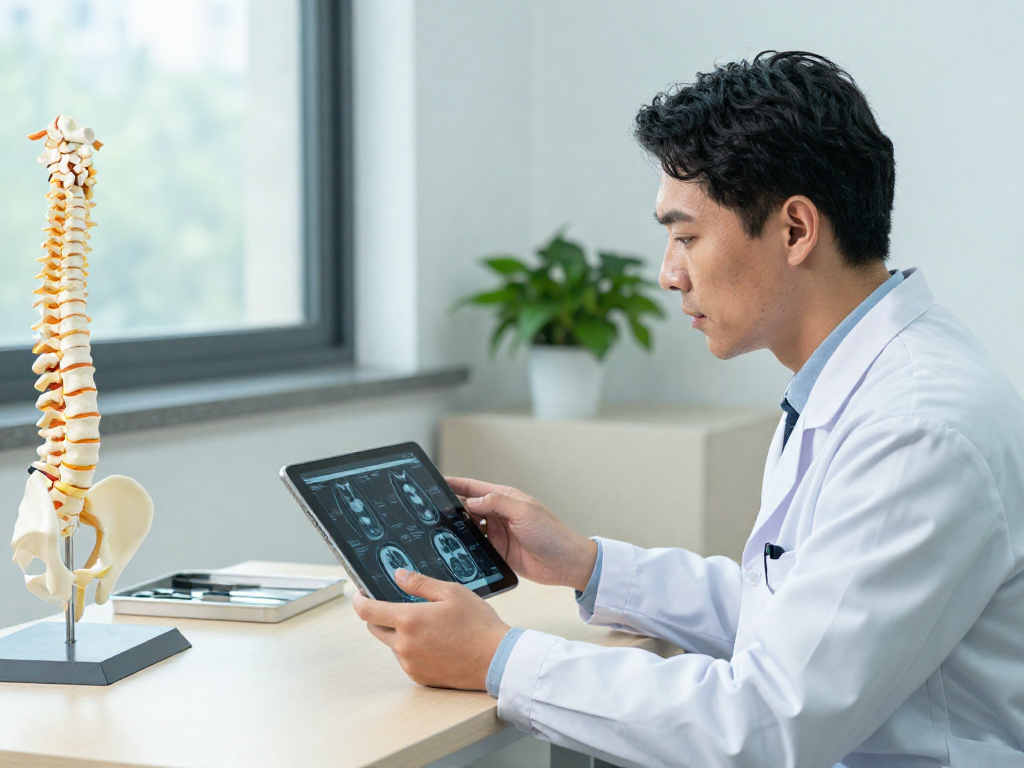
Understanding Herniated Discs and the Need for Boyun fıtığı ameliyatı
Herniated discs, commonly known as bulging or slipped discs, can lead to significant discomfort and functional impairments. The cervical spine, or neck region, is particularly vulnerable to this condition, which can result in nerve compression and debilitating pain. In cases where conservative treatments like medications and physical therapy fail, surgical intervention, known as Boyun fıtığı ameliyatı, may become necessary. Understanding when surgery is required can help patients make informed decisions about their health.
What Is a Herniated Disc?
A herniated disc occurs when the inner gel-like material of the intervertebral disc protrudes through a tear in the tougher outer layer, leading to nerve compression. This herniation can happen due to various factors, including age-related degeneration, poor posture, and repetitive strain injuries. In the cervical spine, herniated discs typically affect the C5-C7 vertebrae, causing pain and neurological symptoms such as numbness and weakness in the arms and hands.
Common Symptoms and Diagnosis
The symptoms of a herniated disc can vary significantly based on the severity and location of the herniation. Common symptoms include:
- Localized neck pain
- Radiating pain down the arms
- Numbness or tingling sensations in the arms and hands
- Muscle weakness
Diagnosis usually involves a comprehensive clinical evaluation, including neurological exams and imaging studies such as MRI or CT scans, to ascertain the extent of the herniation and its impact on surrounding structures.
When Is Surgery Necessary?
Surgery for a herniated disc is generally considered when non-surgical treatments fail to alleviate symptoms after a period of 6-8 weeks, or when there are signs of serious complications such as:
- Progressive muscle weakness
- Loss of bowel or bladder control
- Severe, unrelenting pain that disrupts daily activities
- Signs of spinal cord compression, such as difficulty walking or maintaining balance
It is important to note that surgery is not merely determined by the presence of a herniated disc seen on imaging; the actual impact on neurological function and the patient’s quality of life is paramount in making this decision.
Risks of Delaying Boyun fıtığı ameliyatı
Delaying necessary surgery for a herniated disc can lead to serious consequences. As pressure from the herniated disc increases, patients may experience heightened nerve damage, which can result in permanent functional impairments. This section explores the potential complications associated with untreated herniation.
Potential Complications of Untreated Herniation
When a herniated disc is left untreated, it may lead to various complications, including:
- Permanent nerve damage, leading to chronic pain and disability
- Muscle atrophy due to disuse and weakness
- Increased risk of falls and accidents due to balance issues
- Chronic pain syndromes
Signs Your Condition Is Worsening
Monitoring symptoms is crucial for patients with herniated discs. Worsening signs that may indicate the need for surgical intervention include:
- Increased severity of pain that does not respond to medications
- Emerging difficulties with coordination or balance
- Muscle weakness or paralysis in the arms or legs
- Unexplained bowel or bladder dysfunction
Long-Term Consequences of Avoiding Surgery
Failure to undergo surgery when necessary can result in long-term consequences such as permanent weakness, loss of sensation, and in severe cases, paralysis. Patients may also experience a decline in overall quality of life, leading to depression and social withdrawal.
Boyun fıtığı Ameliyatı: What to Expect
Understanding what to expect from a surgical procedure can alleviate anxiety and prepare patients for their recovery journey. This section outlines the preoperative evaluations, types of surgical procedures, and postoperative care involved in boyun fıtığı ameliyatı.
Preoperative Evaluation and Preparation
Prior to surgery, patients undergo a thorough evaluation, which includes:
- Detailed history taking and physical examination
- Neurological assessments to evaluate muscle strength and reflexes
- Imaging studies such as MRI or CT scans
- Electrophysiological tests, such as electromyography (EMG), to assess nerve function
Types of Surgical Procedures Available
Various surgical techniques can be employed to address herniated discs, including:
- Anterior cervical discectomy and fusion (ACDF): This procedure involves removing the damaged disc and fusing adjacent vertebrae.
- Cervical disc replacement: Involves removing the herniated disc and replacing it with an artificial disc to maintain motion in the cervical spine.
- Posterior cervical foraminotomy: This technique enlarges the foramen (the canal through which nerves exit the spine) to relieve pressure on the nerves.
Postoperative Care and Recovery Process
Post-surgery, patients are typically monitored closely for complications. Recovery guidelines include:
- Gradual resumption of physical activities, avoiding heavy lifting or strenuous workouts initially
- Regular follow-up appointments for monitoring and rehabilitation exercises
- Potential use of physical therapy to aid recovery
Reducing Risks Associated with Boyun fıtığı Ameliyatı
Patient safety is paramount, and understanding how to mitigate surgical risks can lead to better outcomes. This section examines the importance of selecting the right surgeon and understanding surgical techniques.
Choosing the Right Surgeon
Choosing an experienced surgeon with a strong track record in spinal surgery is crucial. Patients should seek referrals, read reviews, and inquire about the surgeon's experience with the specific procedure.
Understanding Surgical Techniques and Technologies
Modern surgical techniques have greatly improved the safety and efficacy of spinal surgery. Minimally invasive approaches may offer reduced recovery times and lower risks of complications compared to traditional methods. Discussing these options with the surgical team can aid in making an informed decision.
Patient Education and Informed Consent
Being well-informed about the procedure, potential risks, and recovery expectations empowers patients to participate actively in their care. Patients should feel comfortable asking questions and discussing their concerns with their healthcare provider.
Future Trends in Boyun fıtığı Ameliyatı Techniques
The field of spinal surgery continues to evolve, with emerging technologies and techniques improving patient outcomes. This section explores the future of boyun fıtığı ameliyatı.
Emerging Technologies in Spine Surgery
Advancements in imaging technologies and robotic-assisted surgery are increasingly becoming standard in spine surgery. These innovations provide enhanced precision and allow for less invasive approaches.
Innovative Preoperative and Postoperative Approaches
Future surgical protocols may incorporate enhanced recovery pathways, which involve optimizing preoperative health, minimizing stress response, and streamlining postoperative care, significantly benefiting patient recovery.
Predictions for 2026 Surgery Outcomes
As surgical techniques continue to improve, it is predicted that outcomes for boyun fıtığı ameliyatı will become increasingly favorable, with higher success rates and lower complication rates. Continuous research and innovation will pave the way for improved methods of treatment.
What Are the Benefits of Boyun fıtığı Ameliyatı?
The primary benefits of undergoing boyun fıtığı ameliyatı include:
- Relief from persistent neck and arm pain
- Improved mobility and function
- Enhanced quality of life and better overall health outcomes
Are There Alternatives to Surgery?
While surgery is effective for many, some patients may benefit from alternative treatments such as:
- Physical therapy
- Chiropractic care
- Acupuncture
- Injections, such as corticosteroids
Consultation with a healthcare provider can help determine the best approach based on individual circumstances.
How to Choose the Right Treatment Plan for You?
Selecting an appropriate treatment plan is vital in managing a herniated disc. Key considerations include:
- Severity of symptoms
- Patient's overall health and medical history
- Response to previous treatments
- Personal preferences regarding surgical and non-surgical options
Ultimately, making a decision requires a collaborative approach between the patient and healthcare provider to ensure optimal outcomes.. Additionally, Boyun fıtığı ameliyatı provides further details.