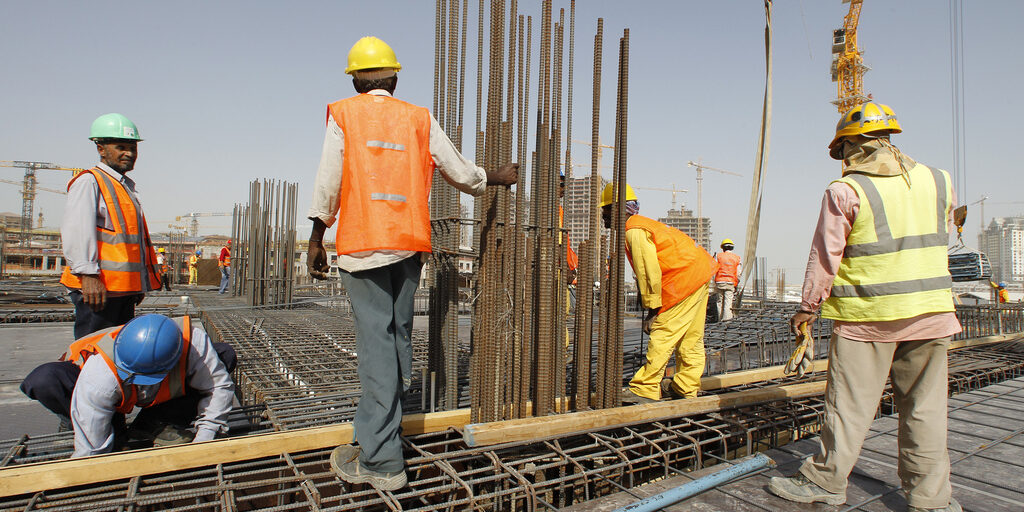
The Role of a New York Commercial General Contractor
In the bustling world of New York's construction industry, navigating the complexities of commercial projects requires a specialized skill set. That's where the New York Commercial General Contractor comes in. These professionals oversee a range of construction activities, ensuring that projects are completed on time, within budget, and to the required standards. Their expertise is crucial in effectively managing the multifaceted nature of commercial construction, which includes everything from office buildings to retail spaces.
Understanding the Basics of Construction Management
Construction management is a comprehensive process that involves planning, coordinating, and controlling a project from inception to completion. It encompasses various phases including design, procurement, construction, and post-construction. A New York Commercial General Contractor is integral to this process, as they act as the primary point of contact for all stakeholders involved.
The key elements of construction management include:
- Project Planning: Developing a strategic roadmap that outlines the scope, objectives, timelines, and budgetary requirements.
- Resource Allocation: Ensuring that materials, labor, and equipment are available when needed.
- Risk Management: Identifying potential risks and implementing strategies to mitigate them.
- Quality Control: Establishing standards to ensure that the work is completed to specifications and adheres to regulations.
Key Responsibilities of a New York Commercial General Contractor
The duties of a New York Commercial General Contractor are diverse and encompass a wide variety of tasks essential for the successful completion of a construction project. These responsibilities include:
- Project Supervision: Overseeing day-to-day activities on the job site to ensure that work is progressing as planned.
- Contract Management: Negotiating and managing contracts with clients, subcontractors, and suppliers.
- Budget Management: Monitoring expenses and ensuring that the project stays within its financial parameters.
- Compliance Monitoring: Ensuring that all work complies with local building codes, safety regulations, and industry standards.
Best Practices in Project Management
Successful project management is fundamental for any construction project. Here are some best practices:
- Clear Communication: Establishing open lines of communication among stakeholders to foster collaboration and transparency.
- Regular Progress Updates: Conducting frequent meetings to discuss project advancements and address any concerns.
- Use of Technology: Implementing project management software to streamline operations and documentation.
- Performance Metrics: Setting measurable goals and tracking progress through defined key performance indicators (KPIs).
Benefits of Hiring a New York Commercial General Contractor
Engaging a qualified New York Commercial General Contractor offers numerous advantages that can significantly impact the success of your construction project.
Streamlined Communication and Planning
A New York Commercial General Contractor serves as the main point of contact, facilitating smoother communication between owners, architects, and subcontractors. They ensure that everyone is on the same page, which reduces the probability of miscommunication and project delays.
Cost-Effectiveness in Large Projects
Managing large budgets can be complex, but a seasoned contractor can leverage established relationships with suppliers and subcontractors to negotiate better prices. Their experience allows for anticipatory actions that prevent unforeseen expenses, making it a cost-effective choice.
Quality Assurance and Compliance
Quality control is vital for project success, particularly in a city renowned for its strict adherence to building regulations. A New York Commercial General Contractor ensures that every aspect of construction meets the required industry standards and complies with local laws, minimizing the risk of costly violations.
How to Choose the Right New York Commercial General Contractor
Choosing the right contractor can make all the difference in the success of your project. Here are some guidelines to help in your selection process.
Assessing Qualifications and Experience
Investigate potential contractors' backgrounds, including their education, certifications, and relevant experience in commercial projects similar to yours. The contractor should also carry the licenses necessary for construction in New York.
Evaluating Past Projects and References
Review previous projects completed by the contractor to gauge their quality of work. Speak with past clients to understand their experiences, particularly regarding the contractor’s reliability and professionalism.
Understanding Contract Terms and Conditions
Before signing any contracts, be sure to thoroughly read and understand their terms. Key areas to focus on include payment schedules, project timelines, and clauses regarding changes or delays. It may be beneficial to have a legal professional review the agreement.
Common Challenges Faced by New York Commercial General Contractors
While the role of a contractor is multifaceted, they also encounter various challenges, particularly within the dynamic landscape of New York's construction industry.
Dealing with New York City Regulations and Permits
Navigating the maze of city regulations and obtaining necessary permits can be daunting. Commercial contractors must remain updated on regulatory changes to avoid complications.
Managing Labor and Material Costs
With rising costs in labor and materials, contractors need to innovate and adapt strategies to manage expenses without compromising quality. Strategic planning is essential to mitigate these financial pressures.
Adapting to Changing Project Requirements
In an ever-evolving market, project requirements can shift unexpectedly. Maintaining flexibility and agility in project management is essential for addressing new demands effectively.
Future Trends in Commercial Construction in New York
The commercial construction landscape is constantly evolving. Here are some key trends shaping the future.
Sustainable Building Practices
Sustainability is becoming a priority for new construction projects. The focus is on eco-friendly practices such as using sustainable materials, designing for energy efficiency, and minimizing waste during construction.
Technology Integration in Construction
The introduction of advanced technologies such as Building Information Modeling (BIM), drones, and virtual reality is changing how construction projects are planned and executed. These tools enhance accuracy and improve overall project efficiency.
Emerging Architectural Styles and Innovations
As urban landscapes become increasingly competitive, unique architectural designs are becoming prevalent. Innovative constructions that blend aesthetics with functionality are playing a crucial role in defining New York’s skyline.
Frequently Asked Questions
1. What should I look for in a New York Commercial General Contractor?
Look for experience, proper licensing, positive references, and a track record of successful projects similar to yours.
2. How do I ensure my project stays on budget?
Clearly outline the budget, monitor expenses closely, and communicate regularly with your contractor about any financial changes.
3. What is the typical timeline for a commercial construction project?
Timelines vary based on project size and complexity, but comprehensive planning and effective management are key to staying on schedule.
4. What are the most common challenges in commercial contracting?
Common challenges include managing regulations, controlling costs, labor shortages, and adapting to project changes.
5. How can technology improve my construction project?
Technology enhances project accuracy, increases efficiency, and allows for better communication, leading to smoother project completion.