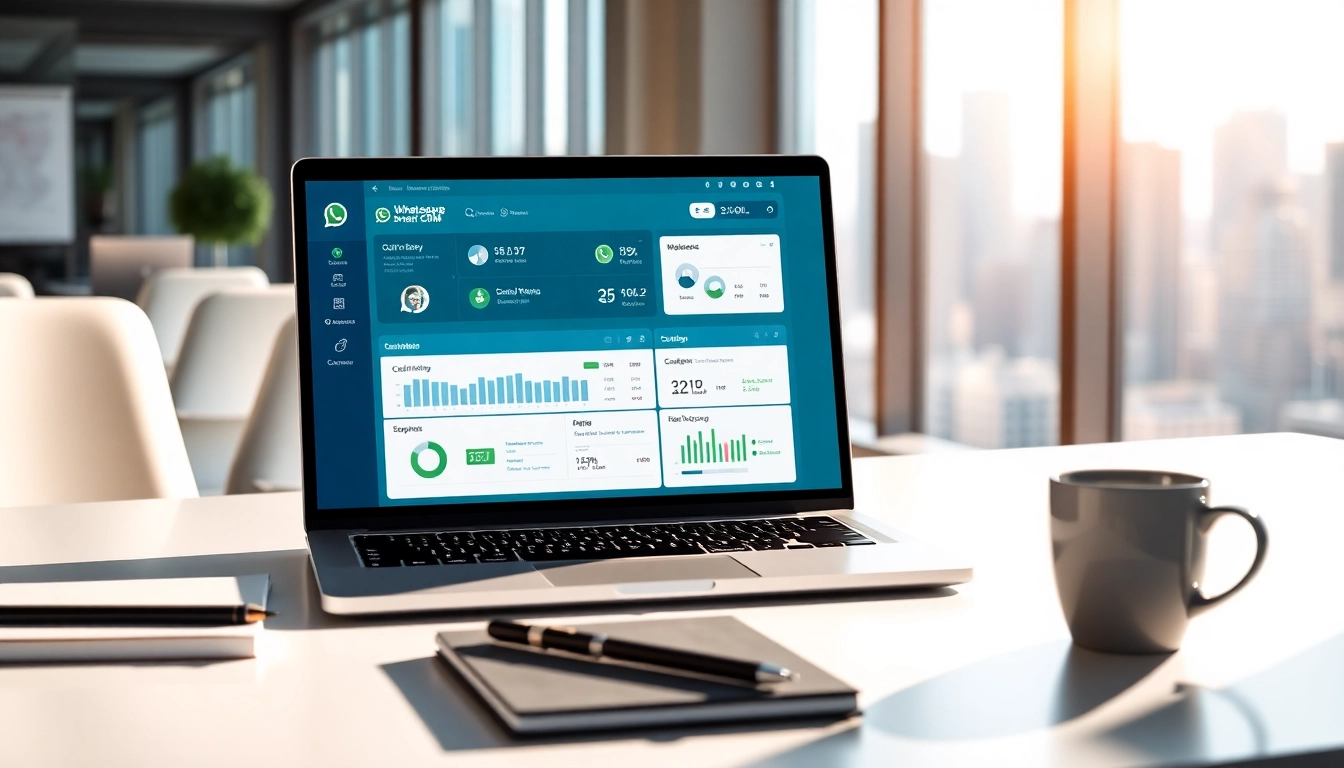
Understanding WhatsApp Smart CRM
Defining WhatsApp Smart CRM and its Benefits
WhatsApp Smart CRM is an advanced customer relationship management system designed specifically for optimizing interactions through WhatsApp. With the increasing reliance on instant messaging for business communications, integrating WhatsApp with CRM systems allows businesses to enhance customer engagement, streamline communication, and improve overall customer satisfaction.
The benefits of using a WhatsApp Smart CRM are manifold. Firstly, it centralizes customer interactions within a single platform, allowing for efficient tracking and management of conversations. This centralization minimizes the likelihood of miscommunication, leading to a more personalized customer experience. Secondly, the integration facilitates quicker response times, enabling businesses to engage with customers in real-time. Furthermore, automated features help in nurturing leads without overwhelming human resources, thereby increasing operational efficiency.
How WhatsApp Smart CRM Works
At its core, WhatsApp Smart CRM operates by integrating the capabilities of WhatsApp's messaging platform with traditional CRM functionalities. This integration allows businesses to send and receive messages, share documents, and update customer profiles directly through WhatsApp. The system uses APIs to connect the two platforms, enabling seamless data transmission and interaction.
When a customer initiates a conversation through WhatsApp, the Smart CRM captures relevant data such as contact details, conversation history, and customer preferences. This information is stored and can be accessed by sales and support teams, providing them with insights necessary for effective engagement. Moreover, advanced analytics tools within the CRM analyze customer interactions to give businesses a clearer picture of customer behavior, preferences, and trends.
Key Features of WhatsApp Smart CRM
WhatsApp Smart CRMs come equipped with several key features that drive their effectiveness:
- Automation: Automate responses to common inquiries, follow-ups, and reminders, thereby freeing up personnel for more complex tasks.
- Multi-Agent Support: Enable multiple team members to engage with customers simultaneously while maintaining continuity across conversations.
- Data Analytics: Utilize built-in analytics tools to track engagement metrics, customer satisfaction, and interaction history, facilitating data-driven decision-making.
- Integration Capabilities: Connect with existing CRM platforms, eCommerce sites, and marketing tools to create a holistic, synchronized operational environment.
- Personalization Tools: Leverage customer data to tailor communications, enhancing the likelihood of engagement and conversion.
Implementing WhatsApp Smart CRM in Your Business
Steps to Choose the Right WhatsApp Smart CRM
Choosing the right WhatsApp Smart CRM is critical for maximizing its benefits. Here are essential steps to consider:
- Identify Your Needs: Assess your business requirements, size, and specific challenges that you want the CRM to address.
- Research Options: Look for CRM solutions that specifically integrate WhatsApp functionalities. Prioritize systems that have robust automation features and user-friendly interfaces.
- Check Integration Capabilities: Ensure that the CRM can integrate with your existing tools, such as email marketing platforms and ERP systems.
- Evaluate Support and Training: Consider vendors that offer comprehensive support, training resources, and onboarding processes to help your team adapt to the new system.
- Trial and Feedback: Utilize free trials to test the systems and gather feedback from users within your organization before making a final decision.
Integrating WhatsApp Smart CRM with Existing Systems
Integration is a crucial step in bringing a WhatsApp Smart CRM into your operational framework. To ensure a seamless integration:
- Evaluate Current Systems: Map out all existing software and tools that are part of your business processes.
- Define Integration Points: Identify where the WhatsApp Smart CRM will connect with current systems, whether that’s through APIs or other methods.
- Data Migration: Plan for the migration of existing customer data into the new system, ensuring accuracy and minimizing downtime.
- Testing: Conduct tests to verify that the integration works as expected and that data flows smoothly between systems.
- Continuous Monitoring: After implementation, continually monitor the integration for any issues and optimize processes accordingly.
Common Pitfalls to Avoid During Implementation
When implementing WhatsApp Smart CRM, organizations often encounter challenges that can hinder success. To avoid these pitfalls:
- Lack of Clear Objectives: Failing to define what you want to achieve with the CRM can lead to misalignment and wasted resources.
- User Resistance: Change can be daunting; ensure you provide adequate training and support to help users acclimate.
- Neglecting Data Protection: Be vigilant about data privacy and comply with regulations during data transfer and usage.
- Forgetting Customer Needs: Always consider the end-user experience and how the CRM implementation affects customer interactions.
- Ignoring Feedback: Solicit ongoing user feedback to assess the system's effectiveness and make necessary adjustments.
Enhancing Customer Interaction with WhatsApp Smart CRM
Using Automation to Improve Response Times
A major advantage of WhatsApp Smart CRM is the ability to utilize automation to enhance response times. By setting up automated replies for common inquiries, businesses can ensure that customers receive immediate acknowledgment of their messages. This can significantly reduce wait times, improve customer satisfaction, and create a sense of reliability.
Moreover, automated workflows can guide customers through various processes, such as FAQ responses or order tracking, without requiring human intervention. This approach can efficiently manage high volumes of inquiries, especially during peak times, maintaining service quality.
Strategies for Personalizing Customer Communication
Personalization is key to making customers feel valued. Leveraging customer data contained within your WhatsApp Smart CRM allows businesses to tailor communications effectively. Strategies include:
- Personalized Content: Use customer names, previous purchase histories, and preferences to create customized messages.
- Segmentation: Categorize customers based on behaviors and demographics to deliver more relevant messages and offers.
- Behavioral Triggers: Set up automated responses based on customer actions, such as sending a follow-up message after a purchase.
- Feedback Requests: Foster a personal connection by regularly asking for customer feedback and sentiments.
Leveraging Data Analytics for Better Engagement
Data analytics is a powerful feature of WhatsApp Smart CRM that can drive better customer engagement. By analyzing conversation patterns, response times, and customer satisfaction ratings, businesses can extract insights that inform their strategies. Determine which types of messages yield the highest engagement and optimize accordingly.
Regularly reviewing analytics helps businesses understand the effectiveness of their communication strategies, allowing them to pivot quickly when engagement drops. Monitoring key metrics also allows for proactive adjustments rather than reactive measures.
Case Studies of Successful WhatsApp Smart CRM Adoption
Small Business Success Stories
Small businesses have begun embracing WhatsApp Smart CRM to compete with larger enterprises. Success stories reveal that implementing these systems has led to increased customer engagement and loyalty. For instance, a local boutique reported higher foot traffic following a marketing campaign facilitated through WhatsApp, allowing them to reach customers directly and personally.
Enterprise-Level Implementations and Outcomes
For larger enterprises, the use of WhatsApp Smart CRM has streamlined operations across departments. By enabling different teams to collaborate in real-time via WhatsApp, companies have reported improved internal communication and customer service. Integrating various customer touchpoints has resulted in enhanced tracking and management of customer interactions, leading to increased sales conversions.
Lessons Learned from Real-World Applications
Real-world applications of WhatsApp Smart CRM highlight several key lessons for businesses:
- Start Small: Gradually implement the system and expand functionalities based on feedback and results.
- Prioritize Training: Ongoing training for staff ensures that the full capabilities of the CRM are utilized effectively.
- Value Customer Feedback: Listening to customers helps in refining communication strategies and identifying areas for improvement.
Measuring the Effectiveness of WhatsApp Smart CRM
Key Performance Indicators for WhatsApp Smart CRM
Measuring the success of your WhatsApp Smart CRM implementation requires monitoring specific Key Performance Indicators (KPIs). Essential KPIs include:
- Response Time: Track the time taken to respond to messages to ensure timely communication.
- Customer Satisfaction Score: Regular surveys can help gauge how customers perceive their interactions.
- Engagement Rate: Measure how many recipients engage with your messages versus how many are sent.
- Conversion Rate: Identify the percentage of leads that are converted into paying customers following interactions.
Tools for Tracking and Reporting Success
There are numerous tools available for tracking the effectiveness of WhatsApp Smart CRM. These tools range from built-in analytics features within the CRM to third-party applications that can integrate with WhatsApp. Generating reports on key metrics allows businesses to visualize progress over time and adjust strategies as needed to meet their objectives.
Continuous Improvement Strategies for Your CRM
To maintain the success of WhatsApp Smart CRM, it is crucial to adopt continuous improvement strategies. Regularly updating processes based on feedback and analytics will foster greater efficiency and customer satisfaction. Seeking employee input can also unveil opportunities for enhancement, ensuring that the CRM remains a valuable asset that meets evolving business needs.