Understanding Florida Hurricane Damage: Causes and Effects
Florida, known for its beautiful beaches and tropical climate, is also notoriously vulnerable to hurricanes. The phenomenon of hurricane damage in Florida has far-reaching implications for communities, infrastructure, and the economy. As climate change continues to alter weather patterns, understanding the factors contributing to increased hurricane risks and the effects on Florida's infrastructure becomes increasingly relevant. This article will delve into the various causes of hurricane damage in Florida, the immediate and long-term impacts, and lessons learned for better preparedness.
Natural disasters like hurricanes can lead to devastating situations, which is why it's essential to comprehend the intricacies behind Florida Hurricane Damage. Such knowledge not only fosters community awareness but also prepares residents and leaders to build greater resilience in the face of impending storms.
Natural Factors Contributing to Hurricane Risks
Several natural factors contribute to the increased risk of hurricane-related damages in Florida. These include the state’s geographic location, atmospheric conditions, and seasonal weather patterns.
First and foremost, Florida's positioning between the Atlantic Ocean and the Gulf of Mexico makes it a prime target for tropical storms. Warm waters, which are essential for hurricane formation, are prevalent in these regions during the hurricane season, enhancing the likelihood of storm development. Additionally, the predominant wind patterns can steer hurricanes directly toward the state's coastline.
During the summer months, particularly from June to November, atmospheric conditions become favorable for hurricane formation. The combination of high humidity and warm sea surface temperatures generates powerful systems. The frequency of hurricanes has increased paradoxically with warmer global temperatures, contributing to stronger and more catastrophic storms.
Impact on Infrastructure and Homes
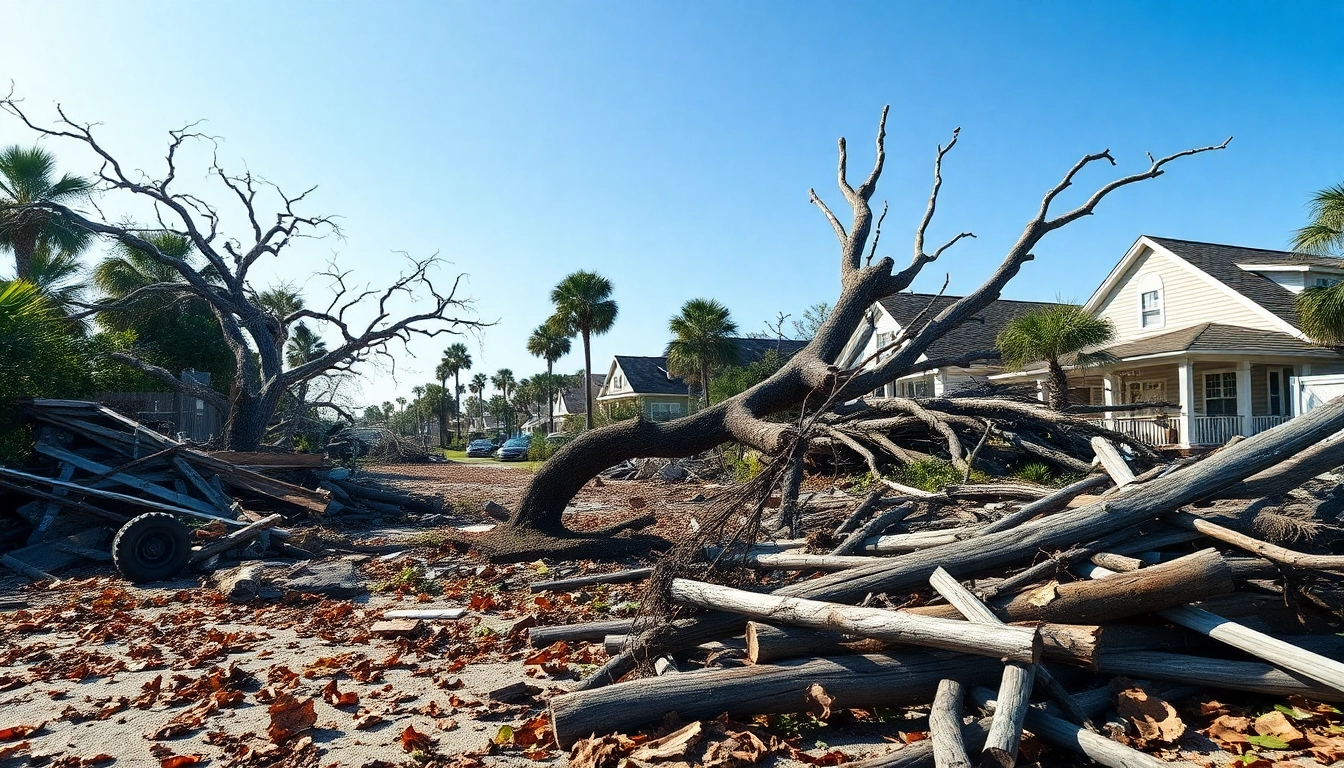
The damage inflicted by hurricanes extends beyond mere property. In Florida, the state’s infrastructure, including roads, bridges, and public utilities, face immense risks during hurricanes. Winds can exceed 150 mph, uprooting trees, downing power lines, and rendering roads impassable. The aftermath often showcases not only physical destruction but also a disruption in essential services.
Homes, especially those not built to withstand hurricanes, face severe damage or total loss. Older structures are particularly vulnerable, as building codes in Florida have evolved following previous storms to become more stringent. The impact on housing is not only immediate, with destruction during the storm, but also long-term as displaced families struggle to secure temporary housing.
Economic Consequences of Storm Damage
The economic ramifications of hurricane damage in Florida are staggering. Beyond the direct damages to homes and infrastructure, the effect stretches into the local economy in various ways. Reconstruction efforts provide temporary jobs, yet recovery from such devastation can lead to long-term financial strains on local businesses, particularly small enterprises.
Insurance claims soar in the wake of major storms, and while insurance can mitigate some of the losses, a significant portion of residents may remain underinsured. This scenario often results in financial hardship for many families and individuals trying to rebuild their lives. The overall economic impact is evidenced in the loss of tourism, which is critical to Florida's economy. When hurricanes hit, tourism revenue dwindles, affecting restaurants, hotels, and local attractions significantly.
Immediate Response to Florida Hurricane Damage
When a hurricane makes landfall in Florida, emergency response teams mobilize swiftly to mitigate damage and assist those affected. Effective management during these critical moments is crucial to save lives and minimize property damage.
Emergency Services Operations and Challenges
The rapid deployment of emergency services is essential during a hurricane. Fire departments, law enforcement, and medical services divert their normal operations to establish shelters, facilitate evacuations, and manage disaster response teams. Communication becomes a key factor in ensuring that information is disseminated accurately and quickly among the public.
Challenges arise in emergency operations due to the destruction of infrastructure, which hampers the movement of emergency supplies and personnel. Additionally, poor weather conditions can limit air and ground rescue capabilities, making timely response difficult. Furthermore, miscommunication among agencies can lead to inefficiencies that cost both time and resources, emphasizing the need for coordinated training efforts prior to hurricane seasons.
Community Support Initiatives
Communities play an integral role in disaster response. Local organizations often mobilize volunteers to assist in emergency efforts, providing food, shelter, and medical aid to those affected. Fundraising campaigns can bolster resources, and local businesses frequently contribute to relief efforts.
Neighborhoods come together, emphasizing the importance of community spirit in the face of adversity. This network of support fosters resilience and closes the gaps left by formal emergency services. Social media has increasingly enabled communities to share resources, information, and needs rapidly.
Emergency Funding and Resources
Research indicates that timely access to funds significantly aids in recovery. Emergency funds available through federal and state programs help bridge the gap for those affected. The Federal Emergency Management Agency (FEMA) provides aid for housing assistance, home repairs, and other crucial recovery needs.
Alongside FEMA funds, state agencies may offer grants to non-profit organizations that work directly to aid recovery efforts. These resources are crucial for supporting local economies as communities strive to rebuild and return to normal.
Assessing the Extent of Florida Hurricane Damage
Once the immediate danger has passed, assessing damage becomes a priority to understand how to proceed with recovery efforts effectively.
Using Technology for Damage Assessment
Technological advancements have greatly improved damage assessment protocols. Drones, satellite imagery, and geographic information systems (GIS) allow for detailed analyses of the affected areas. Drones can capture real-time imagery of hard-to-reach places, providing vital data on destruction levels.
GIS technology helps to map out impacts in a spatial context, enabling emergency responders to prioritize areas needing immediate attention. This data informs decision-making processes for resource allocation and rebuilding priorities, ensuring a structured and informed approach to recovery.
Case Studies of Recent Hurricanes
A comprehensive examination of recent hurricanes can yield valuable insights into damage patterns and recovery mechanisms. For instance, Hurricane Milton, which impacted Florida as a Category 3 storm, demonstrated how rapidly hurricanes could intensify. The storm resulted in billions of dollars in damages, affecting infrastructures such as roads and utilities.
By studying the aftermath of Hurricane Milton and others, policymakers can identify successful strategies and common pitfalls in disaster response and recovery efforts. Such analyses contribute to enhancing future preparedness strategies.
Evaluating Long-Term Impacts
The long-term impacts of hurricane damage extend beyond immediate physical destruction. Communities often face persistent challenges related to mental health, economic instability, and displacement. The psychological ramifications of experiencing trauma disrupt family structures and community cohesion.
Moreover, ongoing infrastructure damage can lead to long-term economic consequences that hinder local development. Patterns of migration post-disaster can result in shifts within the labor pool and affect population demographics. Through these evaluations, planning bodies can implement measures that give priority to mental health services and economic revitalization efforts during recovery.
Rebuilding Communities Affected by Florida Hurricane Damage
Rebuilding efforts must focus on resilience to minimize the impact of future hurricanes. Collaboration among community members, local governments, and private sectors creates a comprehensive framework for recovery.
Best Practices for Resilient Construction
In the wake of destruction, rebuilding provides an opportunity to enhance standards of construction. Best practices for resilient building emphasize materials and designs that withstand hurricane conditions. Structures must adhere to updated building codes that factor wind resistance and flood mitigation strategies.
Innovative building practices, such as elevated homes or the incorporation of storm-resistant windows, can significantly mitigate damage from future storms. Homeowners and builders should prioritize durable materials that offer protection against the elements, while also seeking out technologies that optimize energy efficiency.
Government Policies and Support Programs
Government involvement is integral to recovery efforts post-hurricane. Policy frameworks must adapt to support local recovery initiatives effectively. Policies focusing on rebuilding, land-use planning, and infrastructure investment are vital. Government funding and grants can incentivize communities to adopt resilient practices.
Furthermore, disaster management policies should encourage collaborative efforts between public and private sectors. Engaging real estate developers, local businesses, and non-profit organizations can facilitate comprehensive recovery programs.
Engagement of Local Businesses in Recovery
The engagement of local businesses in recovery initiatives can be transformative. These entities often have on-the-ground insights into community needs, making them valuable partners in recovery efforts. Local businesses may provide support, donate services, or create initiatives designed to aid recovery.
Moreover, by leading recovery campaigns, businesses can restore consumer confidence and stimulate local economies. By actively participating in rebuilding efforts, local businesses reinforce their commitment to the community and contribute to a collective sense of resilience.
Lessons Learned from Florida Hurricane Damage
The experiences garnered from hurricane impacts provide lessons invaluable for future preparations. From strengthening infrastructure to enhancing community support, each storm shapes the narrative of disaster preparedness in Florida.
Preparing for Future Storms
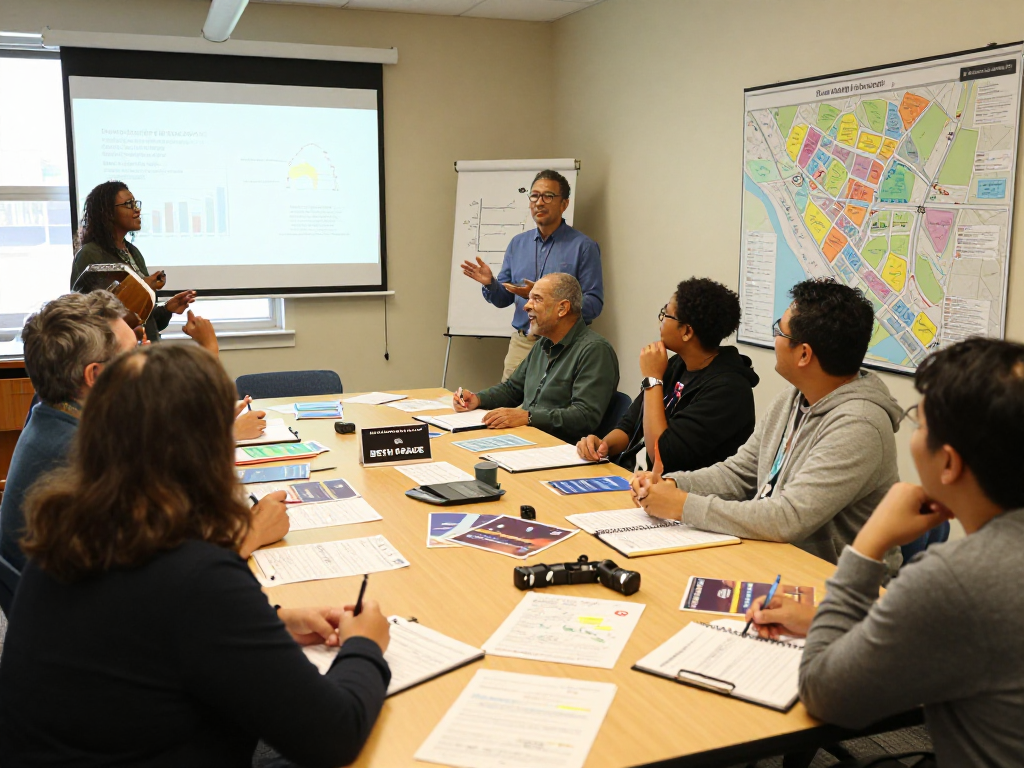
Preparation is paramount in mitigating hurricane damage. Regular drills, clear communication strategies, and community engagement initiatives cultivate a well-informed populace. Preparedness plans should be developed collaboratively, ensuring all community members understand evacuation routes and safety protocols.
Government programs can organize training sessions to equip citizens with knowledge on securing homes and businesses during storms. Real success lies in proactive measures that reinforce community resilience.
Enhanced Building Codes and Regulations
Post-hurricane assessments often lead to increased demands for improved building codes. As new technologies and materials emerge, regulations must adapt to incorporate them effectively. Continuous evaluation and revision of building standards ensure that they meet the evolving challenges posed by climate change and severe weather.
Engaging architects, engineers, and policymakers in active discussions can lead to the establishment of stricter codes that prioritize safety and resilience while also considering affordability.
Community Preparedness and Education Programs
Community education programs stand as a cornerstone of resilience building. These programs can provide crucial information on risk management, safety protocols, and recovery resources. Schools, local governments, and community organizations should collaborate to offer workshops and resources that educate citizens on best practices before, during, and after hurricanes.
When communities are well-informed, they can respond more effectively to disasters, reducing panic and confusion. By fostering a culture of preparedness, Florida residents can better safeguard their homes, families, and communities.