The Allure of Tree House Life: An Introduction
Imagine a life suspended among the branches of towering trees, where the gentle rustle of leaves serves as your daily soundtrack and the sky is your ceiling. Tree house living, or what many affectionately refer to as "tree house life," has captured the imagination of individuals seeking to reconnect with nature. This unique lifestyle offers not just a home, but an experience that blends adventure with tranquillity. More than just whimsical architecture, tree houses serve as a sanctuary, encouraging a deeper bond with the natural world.
When exploring options, tree house life provides comprehensive insights into the design, construction, and enjoyment of these elevated havens. So, what makes tree house living so appealing? Let’s delve into the magical aspects of this lifestyle.
What Makes Tree House Life So Appealing?
The charm of tree houses extends beyond their physical structures. For many, living in the trees evokes a sense of childhood nostalgia, where imagination was unlimited, and adventure awaited around every corner. The desire to escape the hustle of urban life plays a significant role, providing a tranquil retreat that harmonises with the environment.
- Connection with Nature: Tree houses offer an immersive experience, allowing residents to live amidst flora and fauna, promoting mental well-being and a sense of peace.
- Unique Aesthetic: The architectural possibilities are endless, from rustic cabins to luxurious retreats, each tailored to harmonise with its surroundings.
- Sustainable Living: Many tree houses are constructed with eco-friendly materials and designs, appealing to environmentally-conscious individuals.
Understanding the Connection to Nature
One of the most profound aspects of tree house life is the innate connection it nurtures with nature. Living in elevated spaces allows residents to observe wildlife and plant life from a unique vantage point. This experience fosters a greater appreciation for the ecosystem, encouraging sustainable practices and mindfulness of one’s ecological footprint.
Moreover, studies show that spending time in natural settings can reduce stress, improve mood, and enhance overall well-being. Tree houses inherently promote this immersive experience, serving as a bridge between humanity and the environment.
Common Misconceptions About Tree Houses
Despite their growing popularity, several misconceptions about tree house living persist. For example, many believe that tree houses are merely childhood playhouses. However, modern designs incorporate advanced engineering to create habitable and durable homes.
Another common myth is that tree houses are only suitable for short-term stays or holidays. In reality, well-constructed tree houses can serve as permanent residences equipped with amenities similar to traditional homes.
Designing Your Dream Tree House
Creating your ideal tree house requires a thoughtful approach to design and function. With a plethora of styles and possibilities available, understanding key features will guide you in crafting your dream treetop retreat.
Key Features of a Modern Tree House
Today's tree houses can encompass a variety of features that enhance both functionality and aesthetics. Key aspects include:
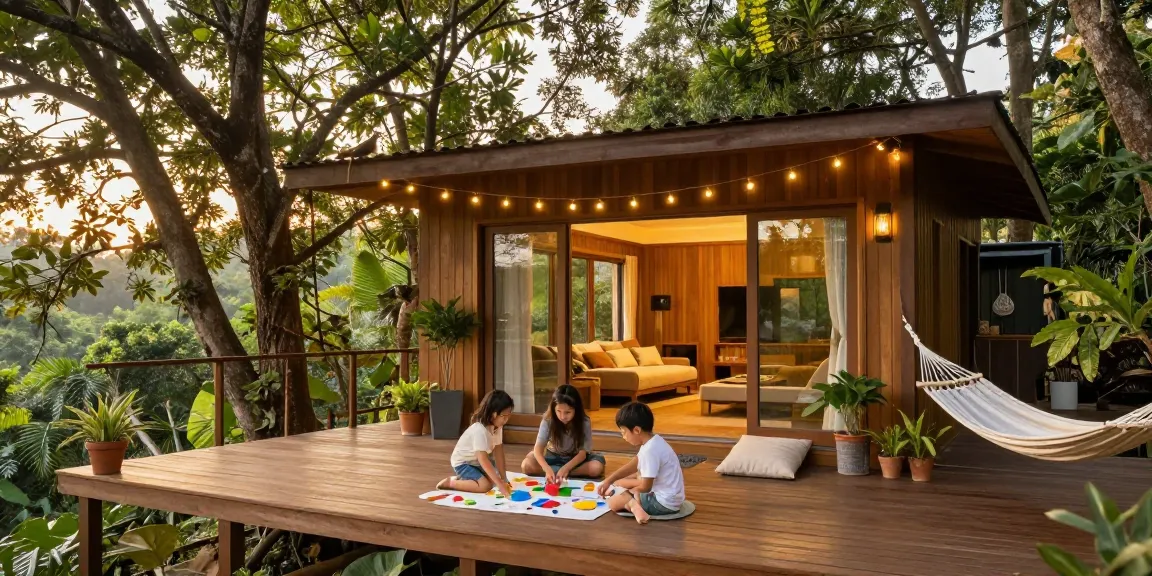
- Spacious Layout: Open-plan designs that integrate living and sleeping areas, often with large windows for natural light.
- Decks and Balconies: Outdoor spaces that allow for entertaining and enjoying views of the surrounding landscape.
- Smart Home Technology: Integration of modern technologies such as heating, cooling, and lighting systems to enhance comfort.
Choosing Sustainable Materials for Construction
When designing a tree house, the choice of materials is crucial, especially for sustainability. Opting for reclaimed wood or sustainably sourced timber not only reduces environmental impact but also adds character to your home. Additionally, using non-toxic finishes and insulation made from natural materials can further diminish your ecological footprint.
Visual Appeal: Integrating Nature into Your Design
A successful tree house design harmonises with its natural surroundings. By integrating natural elements such as green roofs, living walls, and large windows, you can create a seamless transition between indoor and outdoor spaces. This approach not only enhances the aesthetic appeal but also promotes energy efficiency.
Building a Tree House: Practical Considerations
Constructing a tree house involves careful planning and execution. Understanding the essential steps and potential pitfalls can help ensure your project is both successful and enjoyable.
Essential Steps in Tree House Construction
The construction process can be broken down into several key steps:
- Site Selection: Choose a location with healthy trees capable of supporting the weight of the tree house.
- Design Planning: Create detailed plans that consider both aesthetics and structural integrity.
- Building the Structure: Construct the base and framework, ensuring safety and stability.
- Finishing Touches: Add insulation, roofing, and interior finishes to create a livable space.
Permits and Regulations: What You Need to Know
Before beginning your tree house project, it’s vital to research local building codes and regulations. Many areas require permits for tree house construction, particularly for full-time residences. Consulting with local authorities can provide clarity on what is permissible, ensuring your build is compliant.
Common Challenges in Building Tree Houses
While the journey to constructing your tree house can be rewarding, it is not without challenges. Some common issues include:
- Structural Stability: Ensuring your design can withstand environmental stresses such as wind and rain.
- Access and egress: Creating safe and practical entry points for residents and visitors.
- Cost Management: Keeping track of expenses and staying within budget can be daunting.
Living the Tree House Life: Daily Considerations
Transitioning to tree house living requires adjustments to your daily routine and lifestyle. Here, we explore how to create a comfortable and sustainable living environment in the treetops.
How to Create a Comfortable Living Space
To make your tree house feel like home, consider elements that contribute to comfort:
- Effective Insulation: Proper insulation keeps the tree house warm in winter and cool in summer.
- Furnishings: Choose lightweight, durable furniture that can withstand the unique environment.
- Aesthetic Elements: Incorporate personal touches through décor, artwork, and plants that reflect your style.
Eco-Friendly Practices for Tree House Residents
Living sustainably in a tree house goes beyond the initial construction. Implementing eco-friendly practices daily can further reduce your environmental impact:
- Water Conservation: Use rainwater harvesting systems to collect water for non-potable uses.
- Waste Management: Compost organic waste and recycle materials whenever possible.
- Energy Efficiency: Invest in solar panels or wind turbines to power your home sustainably.
Maintaining Your Tree House: Best Practices
Regular maintenance is essential for the longevity of your tree house. This includes:
- Routine Inspections: Check for any signs of structural damage or wear.
- Cleaning: Keep the exterior and interior clean to prevent deterioration from moisture and pests.
- Seasonal Preparation: Prepare your tree house for weather changes by reinforcing structures and ensuring proper insulation.
The Future of Tree House Living: Trends for 2026 and Beyond
As we look towards the future, tree house living is set to evolve, influenced by technological advancements and emerging design trends. Here are some areas to watch:
Innovative Designs That Are Shaping the Future
The architectural landscape for tree houses is expanding, with new styles and concepts emerging. Biophilic design principles are increasingly integrated into builds, allowing structures to blend effortlessly with nature. Furthermore, modular designs are gaining traction, enabling homeowners to expand or modify their tree houses as needed.
Technological Advancements in Tree Houses
Advancements in technology are making tree house living more accessible and convenient. Smart home features can regulate energy consumption, improve security, and enhance overall comfort. Innovations in sustainable building materials also play a vital role in reducing environmental impact.
Community and Connection in Tree House Living
As interest in tree house living grows, so does the sense of community among treehouse residents. Many are forming networks to share experiences, resources, and ideas, fostering a supportive environment. This shift signifies a broader movement towards eco-conscious living, where community values intertwine with individual lifestyle choices.
How long do treehouses last?
With proper construction and maintenance, treehouses can last for many years, often decades, providing a durable and functional living space.
Can you live in a treehouse full time?
Yes, many people successfully reside in treehouses full-time, particularly those designed with modern amenities and structural integrity.
What are the challenges of building a treehouse?
Challenges include securing permits, ensuring structural stability, and managing costs effectively. Adequate planning can mitigate many of these issues.
Is treehouse living eco-friendly?
Yes, when built with sustainable materials and practices, treehouse living can significantly reduce one's ecological footprint.
What are the best materials for tree house construction?
The best materials include sustainably sourced timber, reclaimed wood, and non-toxic finishes that minimise environmental impact.