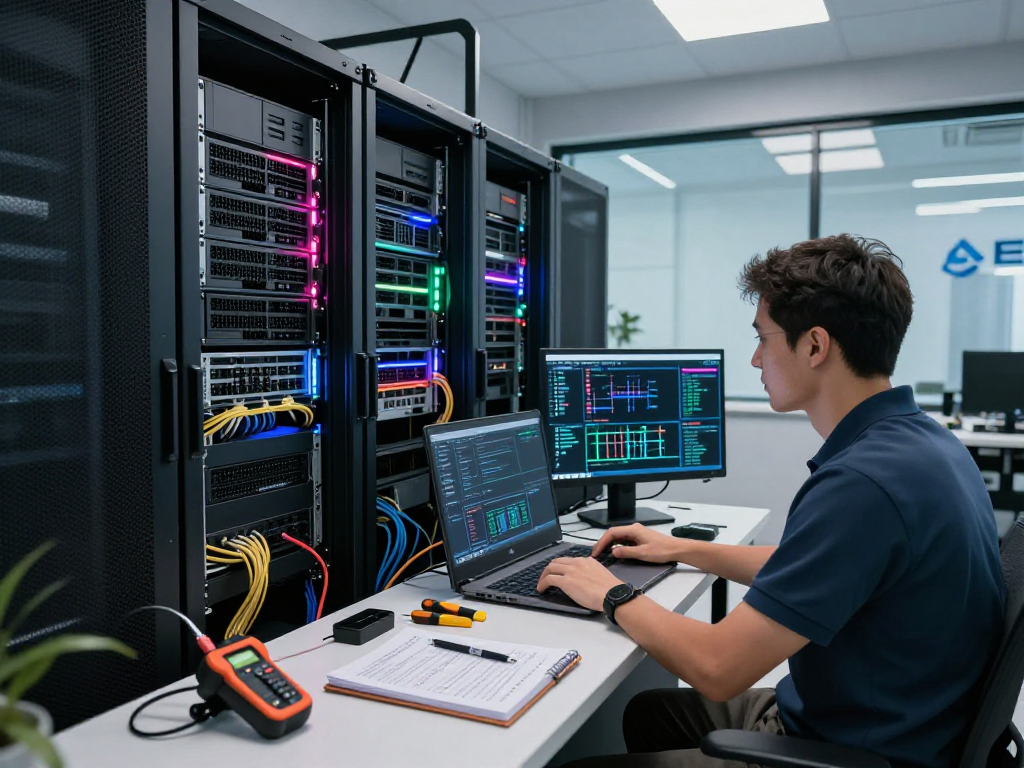
An Overview of Technology
Defining Technology and Its Importance
Technology has become an integral aspect of modern life, acting as a catalyst for change across various sectors. At its core, Technology is the application of scientific knowledge to create tools, systems, and processes that solve problems and enhance the human experience. From creating smartphones that connect us with the world to developing advanced medical equipment that saves lives, the importance of technology cannot be overstated. The effective use of technology has the power to improve efficiency, increase productivity, and foster innovation.
The Evolution of Technology Through Ages
The history of technology spans thousands of years, characterized by phases of innovation that have shaped human civilization. Starting from the Stone Age, where early humans crafted simple tools for hunting and gathering, technology has evolved dramatically. The Agricultural Revolution marked a significant turning point, as the domestication of plants and animals led to the establishment of settled communities. The Industrial Revolution introduced machinery that transformed industries, paving the way for mass production and urbanization. Today, we are in the Digital Age, where information technology, artificial intelligence, and robotics dominate, continuously reshaping how we live and work.
Key Areas Impacted by Technology
Technology impacts numerous sectors, significantly transforming how they operate. Major areas include:
- Healthcare: Innovations such as telemedicine, wearables, and AI diagnostics improve patient outcomes and accessibility.
- Education: E-learning platforms have revolutionized access to knowledge, enabling remote learning and personalized education experiences.
- Business: Automation and data analytics empower organizations to enhance productivity, streamline operations, and make informed decisions.
- Transportation: Advancements like electric vehicles and ridesharing apps have redefined mobility, emphasizing sustainability and efficiency.
The Role of Technology in Society
Technology and Communication Advancements
Technology has drastically changed the landscape of communication. From the invention of the telegraph to today’s instant messaging apps, the speed and efficiency of communication are unparalleled. Social media platforms allow for global connectivity, enabling individuals to share ideas and foster communities beyond geographic boundaries. However, while technology facilitates easier communication, it also introduces challenges, such as the spread of misinformation and the need for digital literacy.
How Technology Influences Daily Life
Every aspect of daily life is influenced by technology. Smart homes equipped with IoT devices provide convenience and energy efficiency, while mobile apps enable seamless online shopping and banking. The reliance on technology raises critical questions about privacy and security, urging individuals and organizations to adopt best practices in managing their digital footprints. Technology also shapes entertainment, from streaming services that change how we consume media to virtual reality experiences that offer immersive engagement.
The Balance Between Technology and Human Interaction
As technology becomes ever-present in our lives, the challenge lies in finding a balance between screen time and real-world interactions. While technology connects us, it can also lead to isolation and reduced face-to-face communication. Developing strategies such as setting boundaries for technology use and promoting digital detox periods can help foster healthier relationships. It is essential to remember that while technology enhances connectivity, it should not replace meaningful human connections.
Emerging Trends in Technology
The Rise of Artificial Intelligence and Automation
Artificial intelligence (AI) and automation are at the forefront of technological advancement, influencing various industries. AI systems can process vast amounts of data, recognize patterns, and make decisions at speeds far greater than humans. Automation in manufacturing and service sectors leads to increased efficiency and cost savings but also raises concerns about job displacement. The challenge lies in reskilling the workforce to adapt to roles in a more technology-driven economy.
Impact of Blockchain Technology
Blockchain technology, initially designed for cryptocurrencies, has expanded its applications across different domains. By providing a decentralized and secure ledger system, blockchain enhances transparency and trust in transactions. Industries like finance, supply chain, and healthcare are exploring blockchain for its potential to reduce fraud, streamline processes, and enhance data security. However, widespread adoption faces hurdles such as regulatory uncertainties and scalability issues.
Green Technologies and Their Significance
The growing concern over climate change has led to increased interest in green technologies. These innovations focus on sustainability and reducing environmental impact. Renewable energy sources such as solar and wind power are gaining traction, while energy-efficient appliances and electric vehicles contribute to lower carbon emissions. The transition to green technologies requires collaboration among governments, businesses, and individuals to create effective policies and promote sustainable practices.
Challenges in Technology Adoption
Addressing Cybersecurity Threats
As technology advances, so do the methods employed by cybercriminals. Cybersecurity threats have become a significant concern for individuals and organizations alike. The implications of data breaches can be catastrophic, leading to financial losses and damage to reputation. Common strategies to mitigate these threats involve implementing robust security measures, continuous monitoring for suspicious activities, and regular employee training on best practices for data protection.
Overcoming Digital Divide Issues
The digital divide refers to the gap between those who have access to modern information and communication technology and those who do not. This disparity can affect socioeconomic mobility and educational opportunities. Initiatives aimed at improving digital literacy and enhancing internet accessibility, especially in rural and underserved communities, are essential in overcoming this divide. By bridging the gap, we can ensure that technology serves as a tool for empowerment rather than exclusion.
Ethical Considerations in Technology Usage
With advances in technology come ethical dilemmas that must be addressed. Issues such as data privacy, surveillance, and the ethical use of AI compel society to evaluate the implications of technological advancements. Establishing guidelines and regulations for ethical technology use, along with fostering a culture of responsibility among developers and users, are crucial steps toward ensuring that technology enhances, rather than harms, societal well-being.
Future Perspectives on Technology
Forecasting Technological Innovations
Looking ahead, the pace of technological innovations is expected to accelerate. Anticipated breakthroughs such as quantum computing, advanced AI, and biotechnology hold the potential to redefine industries and everyday life. Organizations must remain agile and ready to adapt to these shifts by investing in research and development and fostering a culture of innovation that encourages experimentation and creativity.
The Role of Technology in Education
Technology is transforming education, enhancing learning experiences, and making knowledge more accessible. Online learning platforms, educational software, and interactive tools foster engagement and cater to different learning styles. However, the effectiveness of technology in education relies on proper implementation and adequate training for educators. Balancing traditional teaching methodologies with innovative technological approaches can create a more holistic learning environment.
Preparing for Future Technologies in the Workforce
As we move into an increasingly technology-driven workplace, preparing for future changes is essential. Employers and employees alike should prioritize continuous learning and skill development to stay relevant. Fostering a workforce that embraces adaptability and technological proficiency will be crucial in navigating the challenges and opportunities brought about by future advancements. Encouraging a mindset of lifelong learning can empower individuals to thrive in an evolving job market.