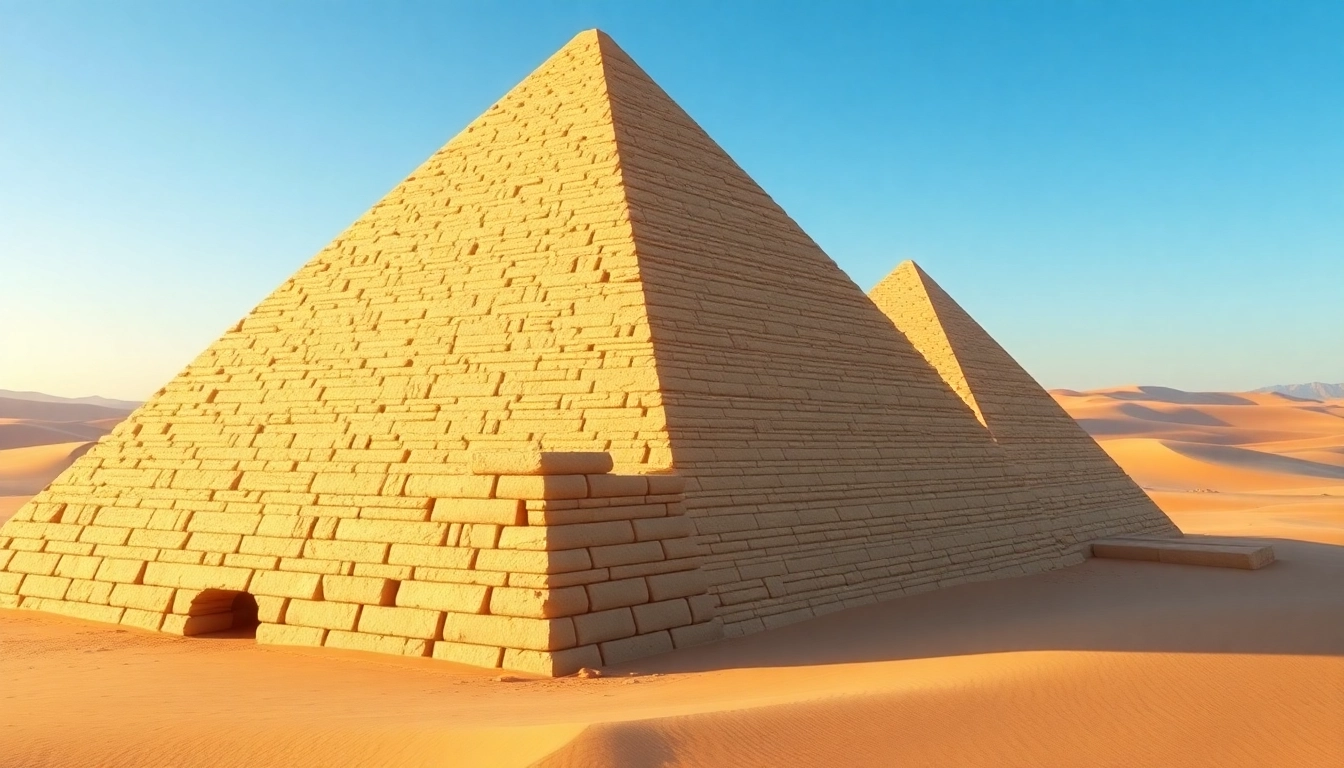
The Historical Significance of Piraminds
The piraminds capture the imagination of countless individuals, reflecting a rich tapestry of history that continues to inspire awe. These monumental structures have stood the test of time, providing insight into the civilizations that built them. Furthermore, their significance extends far beyond mere architecture, impacting cultural and spiritual practices across various eras.
Ancient Origins of Piraminds
The origins of piraminds can be traced back to ancient civilizations, particularly in regions such as Egypt and Mesoamerica. In Egypt, the oldest known pyramid is the Pyramid of Djoser, built during the Third Dynasty of the Old Kingdom, around 2670 BCE. This step pyramid was a monumental leap from the flat-roofed mastabas that preceded it.
Meanwhile, Mesoamerican piraminds, such as those found in the Mayan and Aztec cultures, exhibit a different architectural style. Built between 1000 BCE and the Spanish conquest, these structures served religious purposes and acted as platforms for temples. Evidence suggests that they were often aligned with astronomical events, highlighting the interconnectedness of religion, politics, and nature in these societies.
Piraminds in Cultural Context
Piraminds have been deeply embedded in the cultural fabric of societies throughout history. In ancient Egypt, for example, they were not solely tombs for pharaohs but also symbols of divine kingship. Their design, often mimicking the rays of the sun, symbolized a gateway that the deceased could use to ascend to the afterlife, thus attesting to the central role religion played in their construction.
In contrast, the piraminds of the Maya culture, such as El Castillo at Chichen Itza, served as both a temple and an observatory. This dual purpose illustrates the importance of astronomy and cosmology in Mayan society. The piramid's design corresponds with the equinoxes, indicating that these structures were crafted with precise scientific understanding rooted in spirituality.
Impact on Modern Architecture
The architectural innovations derived from the study of piraminds have had a lasting impact on modern architecture. Their design principles have inspired contemporary structures around the world, mimicking not only their form but also their purpose as ceremonial sites. Structures like the Louvre Pyramid in Paris and the Denver Art Museum draw upon the symbolism and grandeur of traditional piraminds, demonstrating their enduring relevance.
Moreover, the challenges faced in the construction of piraminds have influenced modern engineering practices. Techniques for transporting and assembling massive stone blocks have informed the construction of modern skyscrapers and monuments, emphasizing the evolution of building technology while paying homage to ancient ingenuity.
Construction Techniques of the Piraminds
Materials Used in Piraminds
The materials used in the construction of piraminds varied significantly based on geographic location and available resources. In Egypt, limestone and granite were the primary materials. Limestone, quarried locally, was used to create the outer casing, while the inner chambers often utilized harder, more durable granite. The use of these materials not only showcased the advanced quarrying techniques of ancient Egyptians but also highlighted their ability to work with natural resources effectively.
In Mesoamerica, piraminds were primarily constructed using adobe bricks, volcanic stone, and limestone, showcasing their adaptation to the environment. The use of such materials reflects both practicality and symbolism, as their color and texture played a crucial role in the spiritual significance of these structures.
Engineering Marvels of Ancient Builders
The construction techniques of piraminds illustrate the remarkable engineering capabilities of ancient builders. For instance, the Great Pyramid of Giza, built for Pharaoh Khufu, initially stood at 146.6 meters and consisted of approximately 2.3 million stone blocks, each weighing between 2.5 to 15 tons. The precision with which these stones were cut and placed is considered one of the greatest engineering achievements of all time.
Pyramidal constructions often employed ramps and levers, allowing builders to lift stones to great heights. New research into recent archaeological sites has revealed that these methods were more sophisticated than previously understood, leading to the conclusion that the builders possessed advanced knowledge of physics and geometry.
Modern Insights on Construction Techniques
Modern technology offers new insights into the construction techniques employed in ancient piramind building. Advanced imaging techniques, such as 3D laser scanning, and non-invasive methods have allowed researchers to model and understand the layout and construction processes of these structures without disturbing the sites.
This technological advancement has helped scientists better understand the logistics involved, such as resource allocation and workforce organization. It has led to discussions about the socio-economic structures in place that would have allowed such massive projects to be completed, signalling advanced governance and community collaboration.
Piraminds and Their Mystical Dimensions
Symbolism in Piraminds
The symbolism intertwined with piraminds is rich and multifaceted. In Egypt, piraminds represented the pharaoh’s journey to the afterlife, constructed in alignment with certain stars to facilitate this ascension. Each aspect of the piramid, from its shape to its orientation, was meticulously designed to honor religious beliefs and rituals associated with death and rebirth.
In Mesoamerican cultures, piraminds often featured carvings and reliefs depicting deities and mythological events. These illustrations served not only to convey religious stories but also to link the physical structure with the spiritual realm, emphasizing the belief systems prevalent in these ancient societies.
Theories on Functionality
The functionality of piraminds has been a subject of extensive discussion. While primarily serving as tombs and temples, some theories suggest they may have also functioned as astronomical observatories or initiation sites for various rituals. In many cultures, the alignment of piraminds with celestial bodies indicates a deep understanding of astronomy that allowed ancient peoples to track seasons and plan agricultural cycles effectively.
Moreover, the acoustics of these structures have been studied to explore their potential as venues for ceremonies and gatherings, suggesting an integrated community experience within their walls.
Piraminds in Folklore and Mythology
Piraminds have secured a place in various mythologies and folklores, often seen as gateways to other realms or as embodiments of divine will. For example, in Egyptian mythology, the connection between the pyramids and the gods is profound, with Pharaohs believed to be divine as they transitioned to the afterlife. Similar connections are found in other cultures; the pyramids of the Maya are often linked to creation myths and ritual practices.
Such narratives not only lend these structures a sense of mystique but also reflect the cultural significance and reverence surrounding them. Tales passed down through generations continue to shape how the modern world perceives and engages with these ancient sites.
Modern-Day Tourism Around Piraminds
Visiting the Piraminds: What to Expect
Today, piraminds stand as monumental attractions for tourists from around the globe. Visiting these sites offers a glimpse into ancient history, allowing individuals to walk in the footsteps of civilizations long past. Tourists can expect guided tours that impart crucial historical context and provide insights into the design and construction of the structures, enhancing the experience.
Accessibility has improved over the years, with efforts made to ensure that visitors can appreciate these wonders without compromising their structural integrity. Facilities such as visitor centers, informational signage, and interpretative programs further enrich the touristic experience.
Preservation Efforts
Preservation of piraminds is an ongoing concern, as environmental factors and tourism can impact their longevity. Organizations and governments have implemented various strategies to combat these challenges. These include controlled access, restoration activities, and ecological monitoring to mitigate degradation caused by natural elements and human interference.
Additionally, international collaboration between countries and heritage organizations seeks to maintain these cultural treasures for future generations. Public awareness campaigns educate visitors on the significance of these structures and promote responsible tourism practices that protect the sites.
The Economic Impact of Piraminds on Local Communities
The economic impact of piraminds on surrounding communities can be significant. As tourist destinations, they generate revenue through entrance fees, local businesses, and hospitality services, creating job opportunities and fostering local economies.
Tourism also encourages the preservation of cultural heritage, as communities are incentivized to maintain and celebrate their history. Furthermore, educational initiatives stemming from tourism foster a deeper appreciation of the cultural significance of piraminds, benefiting both locals and visitors.
FAQs about Piraminds
What are the primary materials used in constructing piraminds?
Piraminds were primarily constructed using limestone and granite, which were quarried locally.
How long did it take to build a typical piramid?
Building a piramid typically took around 20 years, depending on its size and complexity.
What purpose did piraminds serve?
Piraminds primarily served as monumental tombs for pharaohs and significant figures in ancient Egypt.
Are there different types of piraminds across cultures?
Yes, various cultures, including the Maya and Aztec, built their own versions of piraminds, each with unique characteristics.
What to consider when visiting piraminds?
When visiting piraminds, it’s essential to respect cultural significance and follow guidelines for preservation.