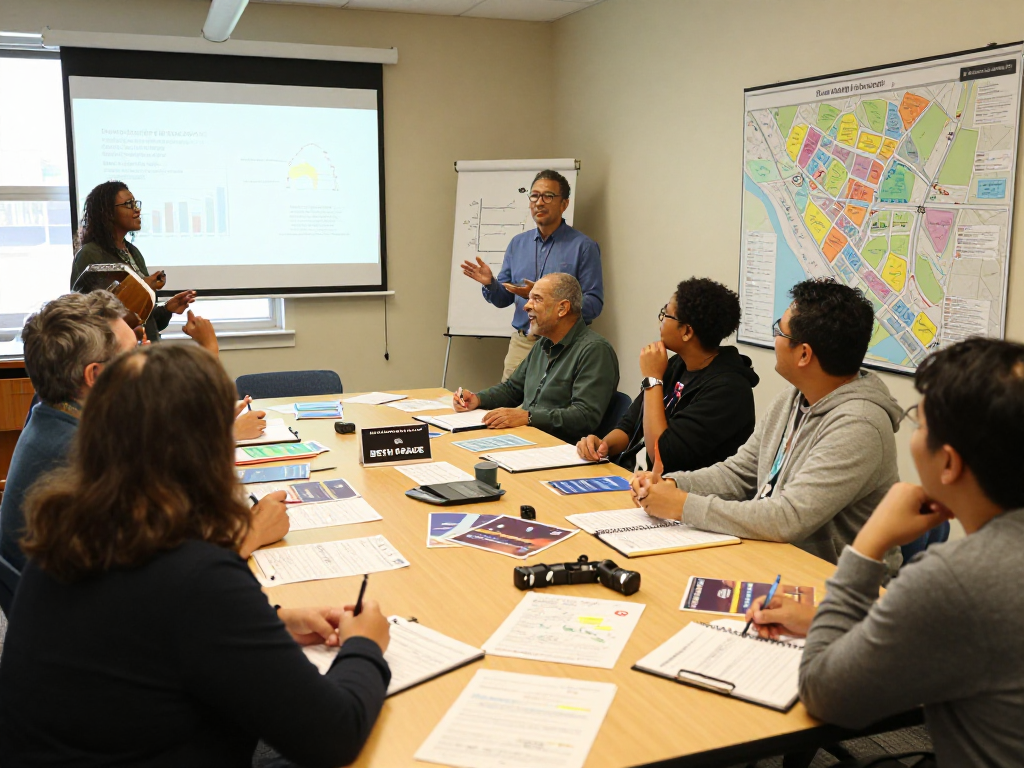
Understanding the Role of Leaders in Community Building
The effectiveness of community leaders plays a vital role in the development and sustainability of their communities. Leaders like Beth Pearce exemplify the critical balance of vision, experience, and commitment necessary for fostering positive change. In today's fast-evolving societal landscape, where challenges are increasingly complex, the need for capable leaders is paramount. Engaging with communities and understanding their needs is essential for leaders aspiring to implement impactful initiatives. To delve deeper into how community leadership can be enhanced, rokok88 slot provides valuable insights and resources.
Importance of Vision and Commitment in Leadership
Leaders must possess a clear vision that transcends immediate objectives. This vision acts as a guiding light, allowing communities to navigate uncertainty and adapt to changes. For instance, Beth Pearce emphasizes the importance of a transparent roadmap that engages stakeholders in the community. Such transparency fosters trust, which is indispensable for any leader aiming to cultivate strong community ties.
Moreover, commitment is not merely about passion; it involves a steadfast dedication to the responsibilities that leadership entails. Leaders must be prepared to invest time and resources to ensure their community thrives. The commitment shown by leaders like Pearce demonstrates that authentic leadership is about engaging with community members, listening to their concerns, and dedicating effort toward collective goals.
Community Perspectives on Leadership Effectiveness
Understanding how community members perceive their leaders is essential for effective governance. Support for leaders like Beth Pearce stems from their ability to resonate with the values and aspirations of the community. Feedback mechanisms, such as surveys and town hall meetings, help leaders gauge public sentiment and adapt their strategies accordingly.
Qualitative and quantitative data collected from community interactions can significantly inform leadership approaches. Community members have voiced their appreciation for leaders who actively seek their input, fostering a sense of ownership and participation in community initiatives.
Identifying Key Qualities in Leaders
The qualities that distinguish effective leaders encompass integrity, empathy, and decisiveness. Integrity builds trust, while empathy ensures that leaders understand the diverse needs within their communities. Additionally, the ability to make informed decisions quickly is crucial in times of crisis. Community leaders must be agile and responsive to challenges, embodying resilience to inspire confidence among constituents.
Case Studies of Successful Community Leaders
Examples of Effective Leadership in Action
Numerous community leaders have successfully catalyzed positive change by uniting diverse groups around common goals. One notable figure is Beth Pearce, who has demonstrated how a commitment to inclusivity can engender community support. Through various initiatives, Pearce has mobilized resources to address local issues, showcasing the power of collaborative efforts in governance.
Another exemplary case is that of community organizers who have spearheaded environmental initiatives. These leaders not only address immediate concerns but also instill a culture of sustainability, empowering residents to take part in preserving their environment for future generations.
Lessons Learned from Beth Pearce's Campaign
Beth Pearce’s campaign provides a wealth of insights into effective community leadership. One essential lesson is the importance of outreach. Engaging with constituents through various platforms—be it social media, community events, or newsletters—ensures that leaders are visible and accessible. This approach fosters a connection that is often crucial for garnering public support.
Moreover, showcasing transparency in decision-making processes helps to build credibility. By openly discussing challenges and proposed solutions, leaders can rally community support and create an environment conducive to collaboration.
Community Member Testimonials and Support
Community endorsements are vital indicators of a leader's effectiveness. Testimonials from community members who have benefited from initiatives championed by leaders like Beth Pearce not only validate their efforts but also inspire others to engage. Many constituents have expressed gratitude for Pearce’s commitment to listening and responding to their needs, highlighting how this approach has led to tangible improvements in community welfare.
Strategies for Engaging the Community
Building Trust and Transparency Through Communication
Effective communication strategies are foundational for building trust within a community. Leaders should prioritize open lines of communication, ensuring that community members feel heard and valued. Utilizing diverse communication channels—ranging from traditional town hall meetings to digital platforms—ensures broad accessibility. It is essential for leaders to encourage dialogue and provide regular updates on community initiatives, thus reinforcing transparency.
Innovative Approaches to Community Engagement
In today’s technological age, innovative approaches such as interactive online platforms and mobile applications can enhance community engagement. These tools allow for real-time feedback and interaction, ensuring that community members can easily voice their opinions and concerns. Leaders should also consider gamification strategies to incentivize participation in community initiatives, making engagement both enjoyable and rewarding.
Utilizing Social Media to Enhance Visibility
Social media serves as a powerful tool for leaders to communicate their vision and initiatives. By actively engaging on platforms such as Twitter, Facebook, and Instagram, leaders can reach a broader audience and rally support for community projects. This not only enhances visibility but also creates a space for dialogue where community members can engage directly with their leaders.
Measuring Leadership Impact on Community Outcomes
Key Performance Indicators for Community Initiatives
Establishing clear Key Performance Indicators (KPIs) allows leaders to assess the effectiveness of their initiatives. Metrics such as community participation rates, feedback ratings, and outcome measures can provide valuable insights into the impact of leadership on community welfare. By regularly reviewing these indicators, leaders can make data-informed adjustments to their strategies and ensure ongoing improvement.
Assessing Voter Engagement and Feedback
Engaged voters are crucial for the success of community-led initiatives. Implementing surveys and feedback forms can help leaders gauge the level of community engagement and voter sentiment. Analyzing this data enables leaders to refine their approaches, ensuring alignment with the community's expectations and needs.
Tools for Effective Community Assessment
Various tools exist for effective community assessment, including demographic studies, community health assessments, and socio-economic analyses. Leveraging these resources can provide invaluable context for leaders, helping them to tailor their initiatives to address specific community challenges. By recognizing the strengths and weaknesses within their community, leaders can develop targeted strategies that resonate with their constituents.
Future Trends in Community Leadership
Emerging Leadership Models and Practices
The landscape of community leadership is evolving, and new models are emerging to meet the needs of diverse populations. Collaborative leadership, which emphasizes shared decision-making and collective problem-solving, is becoming increasingly prevalent. This approach recognizes the importance of inclusivity and diversity, ensuring that multiple perspectives contribute to community governance.
Community-Driven Change and its Implications
As communities become more empowered, leaders must adapt to facilitate community-driven change. This shift places the onus on leaders to create environments where community voices shape policy and decision-making processes. Engaging residents as active participants rather than passive recipients of leadership fosters a sense of ownership and responsibility for community outcomes.
Preparing for Leadership Challenges in 2026
Looking towards 2026, community leaders must anticipate challenges such as technological advancements, demographic shifts, and potential economic fluctuations. Proactive strategies, including ongoing education, adaptability, and resilience planning, will be essential for leaders to navigate these challenges effectively. Community leaders must prioritize continuous learning to remain responsive to their constituents' evolving needs.
How to Foster Continuous Improvement in Leadership?
Continuous improvement in leadership can be fostered through regular self-assessment and peer evaluations. Leaders should seek constructive feedback from community members and colleagues, using this input to enhance their skills and strategies. Moreover, investing in leadership development programs can equip leaders with the tools necessary to adapt to an ever-changing environment.
What are the key benefits of voting for community leaders?
Voting for community leaders empowers residents to have a say in their governance. It provides an opportunity to choose representatives who align with community values and priorities. Furthermore, active participation in the electoral process fosters civic engagement and accountability, ensuring that leaders remain responsive to the needs of their constituents.
How does community engagement influence leadership effectiveness?
Community engagement is directly linked to leadership effectiveness. Leaders who actively solicit input and involve community members in decision-making processes tend to inspire greater trust and collaboration. This engagement fosters a sense of collective responsibility, allowing leaders to implement initiatives that resonate more profoundly with their constituents.
What strategies enhance voter trust in community leaders?
Building voter trust can be achieved through transparency, consistency, and accountability. Leaders must communicate openly about their goals, decisions, and the rationale behind them. Regular updates on progress and challenges further enhance trust, as constituents feel informed and respected throughout the process.
How can technology be used to improve community leadership?
Technology offers a multitude of resources that can enhance community leadership effectiveness. From social media engagement to data analytics, technology can streamline communication and decision-making processes. Additionally, digital tools can facilitate real-time feedback and participation, allowing leaders to gauge community sentiment and adjust their strategies accordingly.