Understanding Contemporary Home Styling
What is Contemporary Home Styling?
Contemporary home styling is a dynamic and evolving design aesthetic that reflects the present times, characterized by its clean lines, minimalism, and functional use of space. It is not confined to any specific period but instead captures the prevailing design trends of today. This approach is particularly focused on creating a cohesive and harmonious living space, enhancing efficiency and comfort. As you explore your interior design options, incorporating contemporary home styling can transform your living environment into a stylish sanctuary that mirrors modern lifestyles.
Key Characteristics of Contemporary Design
Contemporary design is defined by several key characteristics that set it apart from more traditional or historical styles. Here are the fundamental traits of contemporary styling:
- Open Spaces: Contemporary designs often emphasize open floor plans, allowing for fluid movement and the integration of various living areas.
- Simplicity: This style favors simplicity, focusing on clean lines and minimal decoration. The mantra often revolves around 'less is more.'
- Neutral Color Palettes: While bold hues can be incorporated, neutral tones like white, beige, and gray usually form the base of a contemporary color scheme.
- Innovative Materials: The use of modern materials such as glass, metals, and sustainable options is common, promoting a seamless blend of function and beauty.
- Functional Furniture: Selecting furniture pieces that prioritize comfort while ensuring usability is essential in contemporary home styling.
Benefits of Embracing Contemporary Home Styling
Adopting contemporary home styling offers numerous benefits, making it an attractive choice for many homeowners:
- Enhanced Aesthetics: Contemporary design creates sleek and chic spaces that feel sophisticated and fresh.
- Increased Functionality: By focusing on usability, contemporary spaces can significantly improve everyday life.
- Timeliness: The absence of fixed timelines allows contemporary designs to evolve, ensuring your home remains relevant.
- Personal Customization: Emphasizing personal taste helps in creating an environment that feels distinctly yours.
Essential Elements of Contemporary Home Styling
Color Schemes and Textures
The choice of color schemes and textures plays a crucial role in defining contemporary home styling. Here’s how they interact:
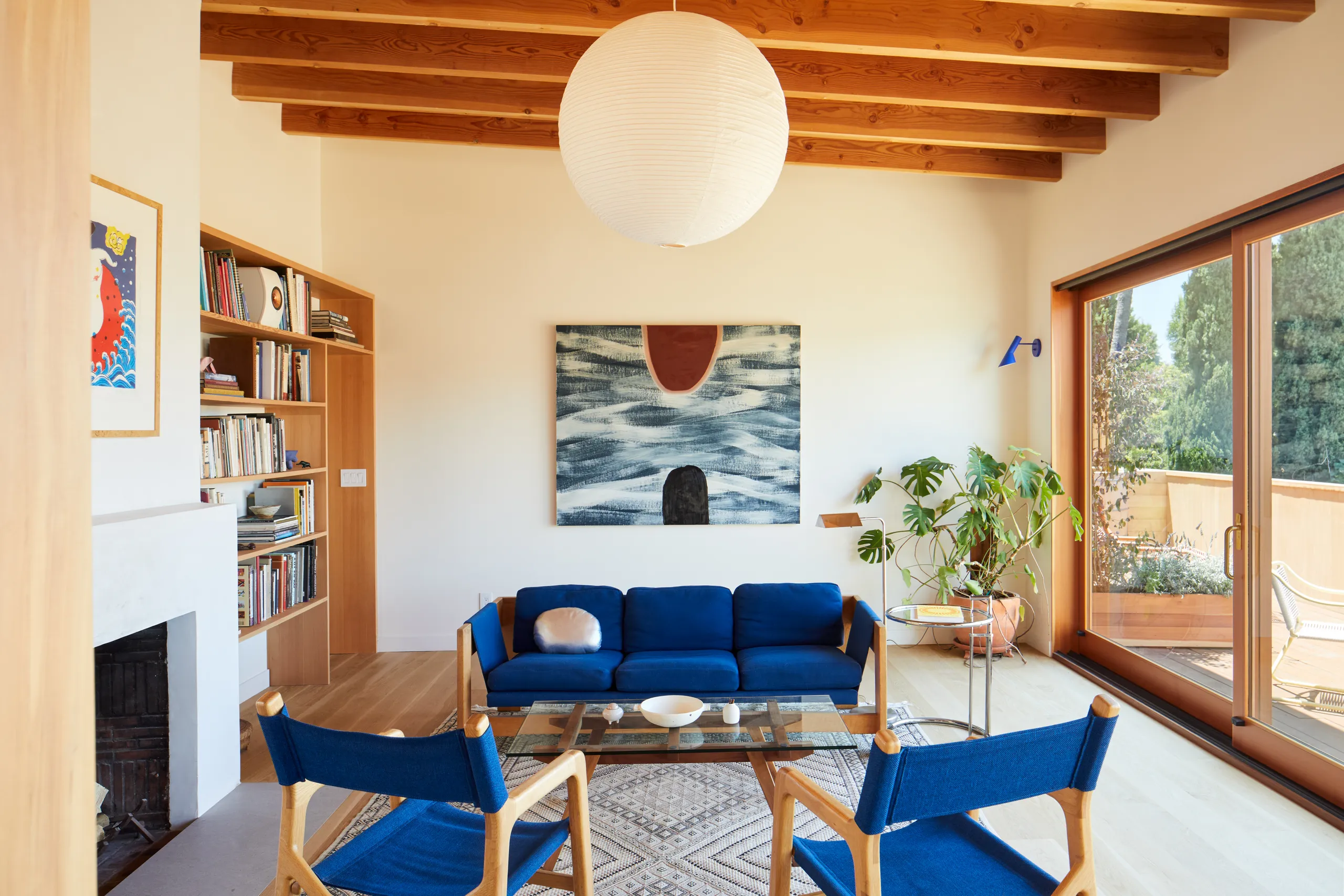
Contemporary designs often rely on a neutral color base to create a soothing and calming environment. Shades like soft whites, pale grays, and taupes provide a versatile backdrop. However, accent colors can play a significant role in adding personality, with bolder hues like navy blue, forest green, or burnt orange introduced through accessories.
Textures are equally important. A combination of varied textures can add depth and warmth to a contemporary space. Options might include:
- Soft textiles such as cotton and linen for upholstery.
- Sleek finishes like glass and polished metal for furniture and fixtures.
- Natural elements like wood and stone, integrating organic touches.
Furniture Selection and Arrangement
When curating furniture for contemporary styling, prioritization of functionality and scale is paramount. Furniture should reflect a minimalist vibe, ensuring it does not overcrowd spaces. Key considerations include:
Choosing multi-functional furniture, such as ottomans or coffee tables that offer storage, maximizes utility without sacrificing style. Furniture pieces should be arranged to promote conversation and flow, facilitating a casual yet elegant atmosphere.
It’s also beneficial to choose oversized artwork or statement pieces that serve as a focal point within a room. This not only personalizes the space but helps in reaffirming the contemporary ethos of balance and simplicity.
Incorporating Art and Accessories
Art and accessories serve as the finishing touches in contemporary home styling, providing opportunities for personal expression within a curated design framework. Here’s how to effectively incorporate art:
Opt for large-scale artworks that can stand as focal points within minimalist settings. Abstract art, photography, or sculptures can add character without overcrowding. Be intentional with accessory choices, selecting items that echo the chosen color palette or textures, thereby maintaining cohesion.
Furthermore, mix-and-match styles cautiously to create visual intrigue while retaining a harmonious balance. Remember, accessories should complement the design rather than overpower it.
Tips for Implementing Contemporary Home Styling
Creating Balance and Harmony
Finding the right balance is crucial in contemporary design. This entails ensuring that no single element draws excessive attention. Every piece should have a purpose, contributing to the overall harmony of the room. Consider the following strategies:
- Use the rule of thirds: Achieving a well-composed space can be as simple as dividing it into thirds and ensuring elements are distributed evenly.
- Mix materials: Combining differing materials can create a sense of balance while adding texture.
- Layer Heights: Use varying heights in furniture and décor to create visual interest without chaos.
Maximizing Natural Light
Light is a significant aspect of contemporary home styling, playing a vital role in enhancing mood and atmosphere. Here are some ways to maximize natural light:
Opt for sheer window treatments that allow light to filter through while preserving privacy. Strategically place mirrors to reflect light and create a sense of openness. Furthermore, consider open layouts that eliminate barriers and encourage light movement throughout the space.
Layering for Depth and Interest
Layering is an essential technique that adds depth to contemporary styling. It involves combining different elements to create visual interest. Here’s how to do it effectively:
Incorporate a variety of textiles, such as throw pillows, rugs, and blankets in various textures and patterns. Layering these elements can make otherwise flat spaces feel inviting and dynamic. Introduce diverse lighting sources, including ambient, task, and accent lighting to create mood variation and highlight particular areas of a room.
Common Mistakes in Contemporary Home Styling
Overcomplicating Design Choices
One of the most common pitfalls in contemporary home styling is overcomplicating design choices. It’s easy to fall into the trap of over-decorating or mixing too many styles. To avoid this, adhere to the core principle of contemporary design: simplicity and functionality. Prioritize key pieces that define your space without overwhelming it.
Neglecting Practical Functionality
Functionality should never be an afterthought in contemporary home styling. Ensure that chosen furniture and layouts not only look great but also serve your lifestyle needs. Consider ergonomics when choosing seating and functional furniture pieces that cater to daily activities.
Ignoring Personal Style and Comfort
Another mistake is neglecting personal taste in the pursuit of contemporary aesthetics. While it’s essential to follow design principles, your home should reflect your personal style. Incorporate elements that resonate with you, be it through color, art, or furniture choices, while still adhering to the contemporary framework.
FAQs About Contemporary Home Styling
What is the difference between contemporary and modern style?
Contemporary style reflects current trends, while modern refers to a specific time period in design, often linked to the mid-20th century.
How can I start styling my home in a contemporary way?
Begin by decluttering and focusing on clean lines, neutral colors, and functional furniture, creating a spacious and relaxed atmosphere.
Are there specific materials associated with contemporary home styling?
Common materials include glass, metal, and natural fibers, often paired together for visual contrast and aesthetic appeal.
Can I mix styles with contemporary home styling?
Yes, blending styles can create a unique look—just ensure that the elements complement one another for a cohesive feel.
What are some popular color palettes for contemporary home styling?
Popular palettes feature soft neutrals, complemented by bold accent colors like deep blue or vibrant green for additional vibrancy.